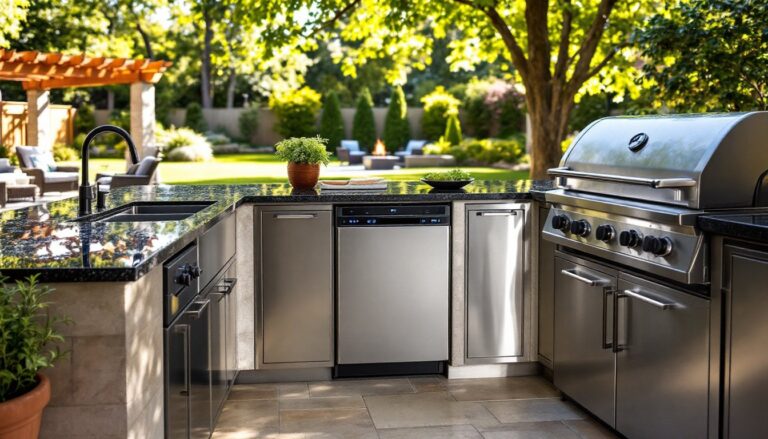
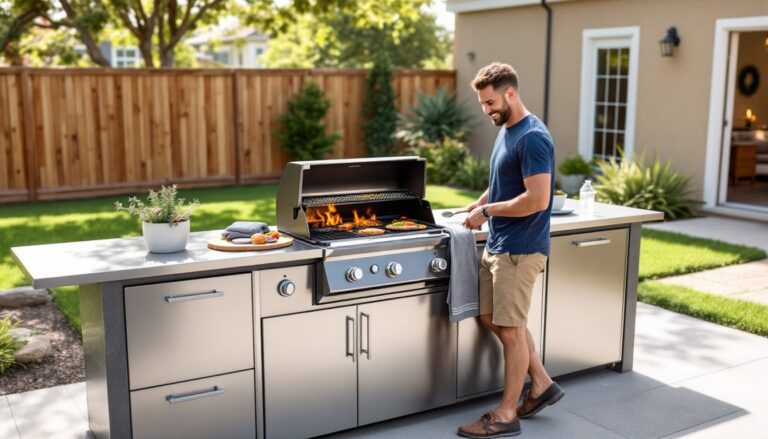
An outdoor kitchen with a bar transforms a backyard from underused lawn into the go-to spot for summer cookouts, game-day gatherings, and evening cocktails. It’s not just about grilling burgers anymore, homeowners are building full-service cooking and entertaining zones that rival indoor setups. Adding a bar elevates the whole experience: guests have a place to perch, the cook isn’t isolated from the party, and drinks stay cold without anyone trekking inside every ten minutes. Whether planning a modest setup or a full custom build, understanding layout, materials, and realistic budgets makes the difference between a backyard showpiece and a regrettable money pit.
Table of Contents
ToggleKey Takeaways
- An outdoor kitchen with a bar transforms your backyard into a dedicated entertaining space by creating natural separation between prep areas and guest seating while keeping the cook engaged with the party.
- Plan your outdoor kitchen layout around a work triangle (grill, sink, refrigeration) with a combined perimeter of 12 to 22 feet, and position it close to the house to minimize utility costs.
- Invest in weatherproof materials like stainless steel cabinets, outdoor-rated appliances, and sealed granite or concrete counters to avoid costly repairs and ensure your bar lasts 10+ years.
- Budget $5,000 to $50,000+ depending on complexity, but save money by starting with a modular DIY kit, using freestanding grills, or phasing the project over time rather than cutting corners on weather protection.
- Essential components for a functional outdoor kitchen bar include a grill, refrigeration, a small prep sink, weather-resistant countertops, storage, and task lighting—skip optional upgrades like pizza ovens until the budget allows.
- Check local building codes and permits before construction, especially for electrical, gas, and plumbing hookups, and always hire licensed professionals for utilities rather than attempting DIY installations.
Why Add a Bar to Your Outdoor Kitchen?
A bar isn’t just a nice-to-have, it’s the functional and social centerpiece that turns an outdoor kitchen into an actual entertaining space. Without one, guests stand awkwardly holding plates or crowd around the grill. A bar creates dedicated seating, defines zones, and keeps foot traffic out of the cook’s work triangle.
From a layout perspective, bars provide natural separation between prep areas and guest areas. A raised bar counter (typically 42 inches high) with stools keeps visitors engaged without them hovering over the grill or blocking access to storage. It also hides clutter, dirty mixing bowls, half-empty marinade bottles, and cooler overflow stay out of sight on the work side.
Bars also add serious function. Built-in bottle openers, ice wells, mini fridges, and sink hookups turn the bar into a self-serve beverage station. That means fewer trips indoors and more time outside. For resale value, outdoor kitchens with bars consistently outperform basic grill-and-counter setups, especially in warm-weather markets where custom outdoor living features drive buyer interest.
Finally, there’s flexibility. A bar can be L-shaped to wrap a corner, straight to define a boundary, or freestanding to float in the middle of a patio. It adapts to nearly any footprint and budget.
Planning Your Outdoor Kitchen and Bar Layout
Layout determines whether an outdoor kitchen flows smoothly or becomes a bottleneck. Start by mapping the work triangle, the distance between the grill, sink, and refrigeration. Aim for a combined triangle perimeter of 12 to 22 feet. Any tighter and the cook feels cramped: any wider and efficiency drops.
Choosing the Right Location and Size
Location matters more than size. Position the kitchen close to the house for easy access to water, electric, and gas lines. Running utilities 50 feet across a yard costs thousands more than tapping into lines just outside the back door. Check local codes, most municipalities require GFCI outlets for outdoor electric and specific clearances from property lines for grills and fire features.
Consider prevailing wind direction. Nobody wants smoke blowing into the seating area or toward the house. If the yard slopes, build on level ground or budget for grading and retaining walls.
For size, a basic setup with a grill, small bar, and mini fridge fits in 8 feet of linear space. A full kitchen with a bar, sink, storage, and seating typically needs 12 to 16 feet. Measure twice: bar seating requires 24 inches of width per stool, plus 36 inches of clearance behind for people to walk comfortably.
Permits are often required for permanent structures, especially if adding electrical, gas, or plumbing. Check with the local building department before breaking ground. Hiring outdoor living space designers can streamline this process and ensure compliance.
Essential Features and Components
An outdoor kitchen bar isn’t complete without the right mix of cooking, storage, and serving features. Prioritize based on how the space will actually be used, not just what looks good in design galleries.
Core components include:
- Grill or cooktop: Built-in gas grills (natural gas or propane) are the workhorse. Expect to spend $800 to $3,500 depending on BTU output and features like rotisserie burners or infrared searing zones.
- Refrigeration: A dedicated outdoor-rated mini fridge or beverage cooler keeps drinks cold and reduces indoor trips. Look for units with stainless steel exteriors rated for outdoor use, indoor fridges won’t survive humidity and temperature swings.
- Sink: A small prep sink (15 to 18 inches) with hot and cold water adds serious convenience. Requires plumbing and a drain line, which can add $500 to $2,000 to the project depending on proximity to the house.
- Bar counter: Plan for granite, concrete, or tile surfaces that handle weather and spills. A standard bar height is 42 inches: counter height is 36 inches. Choose based on stool preference and sightlines.
- Storage: Cabinets and drawers keep tools, propane tanks, trash, and serving ware organized. Use marine-grade polymer or stainless steel, avoid wood unless it’s properly sealed and maintained.
- Lighting: Task lighting over the grill and bar, plus ambient lighting for seating areas. Use low-voltage LED fixtures on dimmers to set the mood without glare.
Optional upgrades, like pizza ovens, warming drawers, or kegerators, add flair but aren’t necessary for a functional space. Start with the essentials and add later if the budget allows.
Materials That Weather the Elements
Outdoor kitchens take a beating from sun, rain, freeze-thaw cycles, and UV exposure. Choosing the right materials upfront saves thousands in repairs and replacements down the line.
Countertops: Granite and concrete are the top choices. Granite resists stains, heat, and scratches, and comes in dozens of colors. Seal it annually to prevent moisture penetration. Poured concrete offers limitless custom shapes and embedded features (like drainboards or trivets), but requires skilled installation and periodic resealing. Tile works but grout lines collect grime and can crack in freeze zones. Avoid laminate and butcher block, they won’t last a season outdoors.
Framing and cabinetry: Galvanized steel studs or concrete block (CMU) make the best structural frames. Wood framing can work in dry climates if treated and sealed, but moisture and insects are constant threats. For cabinet doors and panels, use marine-grade polymer, stainless steel, or powder-coated aluminum. These materials resist rust, warping, and fading. Many pro-fit outdoor living systems offer modular cabinets designed specifically for outdoor use.
Backsplash and siding: Stacked stone veneer, brick, or stucco hold up well and add visual interest. Avoid vinyl siding near grills, it melts. If using stone veneer, ensure proper flashing and weep holes to prevent water from getting trapped behind.
Bar surfaces: For the bar top, consider extending the countertop material or using a contrasting finish like stained concrete or porcelain slab. If budget is tight, outdoor-rated porcelain tile offers durability at a fraction of the cost of natural stone.
Always choose outdoor-rated hardware, hinges, handles, and fasteners should be stainless steel (grade 304 or 316) to resist corrosion, especially in coastal areas.
Design Styles and Inspiration
Style sets the tone, but function still comes first. The best outdoor kitchens blend seamlessly with the home’s architecture and the yard’s existing hardscape.
Popular design approaches:
- Modern minimalist: Clean lines, flat-panel cabinets, monochromatic palettes (grays, blacks, whites), and sleek stainless appliances. Concrete counters and frameless bar stools reinforce the look.
- Rustic farmhouse: Reclaimed wood accents, stone or brick facades, wrought iron hardware, and warm earth tones. Pair with vintage-style pendant lights and distressed bar stools.
- Coastal: Light colors (whites, blues, soft grays), natural teak or weathered wood, and open shelving. Nautical details like rope accents or ship-lap siding tie it together.
- Mediterranean: Stucco finishes, terracotta or saltillo tile, arched openings, and vibrant tile backsplashes. Heavy on texture and warm, sun-baked hues.
Many homeowners draw inspiration from curated outdoor bar collections to identify materials and layouts that resonate. The key is to pick one style and commit, mixing too many aesthetics creates visual clutter.
For furniture, choose bar stools rated for outdoor use. Metal frames with powder-coated finishes resist rust: UV-resistant cushions won’t fade. If the bar is covered, wood or wicker stools can work, but they’ll need seasonal storage or covers. Brands like Martha Stewart Outdoor Living offer coordinated furniture lines that simplify the selection process.
Budget Considerations and Cost-Saving Tips
Outdoor kitchens with bars range from $5,000 for a basic DIY setup to $50,000+ for a fully custom build with high-end appliances and professional installation. Breaking down costs helps prioritize spending.
Typical cost ranges (2026 prices, can vary by region):
- DIY modular kit: $3,000–$8,000 (includes cabinets, countertop, and basic grill: homeowner assembles)
- Mid-range custom build: $15,000–$30,000 (professional design and installation, granite or concrete counters, built-in grill, sink, fridge, bar seating for 4)
- High-end custom: $35,000–$75,000+ (premium appliances, stone or brick masonry, outdoor-rated lighting and AV, covered pergola or roof structure)
Where to save without sacrificing quality:
- Start smaller and expand. Build the core kitchen first: add the bar and seating later when budget allows.
- Use a freestanding grill instead of a built-in to save $1,500–$3,000. You can always upgrade later.
- DIY the assembly if buying a modular system. Labor often accounts for 40–50% of total project cost.
- Shop for granite remnants at local stone yards, perfect for smaller bar tops at half the cost of full slabs.
- Pour concrete counters yourself or hire a local concrete contractor instead of a high-end fabricator.
- Skip the sink in phase one. It’s the most expensive utility to run and can be added later.
- Use outdoor living inc contractors who specialize in phased builds to lock in design continuity while spreading costs over time.
Where not to cheap out:
- Weatherproof materials. Outdoor-rated cabinetry and appliances cost more but last 10+ years. Indoor alternatives fail within seasons.
- Proper footings and base. Shifting foundations crack counters and misalign doors. Use a 4-inch concrete slab with rebar or a CMU block base on compacted gravel.
- Electrical and gas hookups. Hire licensed professionals for these, DIY mistakes are dangerous and can void homeowner’s insurance.
Many outdoor kitchen designs with bars show that smart planning and material choices create high-impact results without very costly. Focus on durability, layout, and the features that matter most for how the space will actually be used.