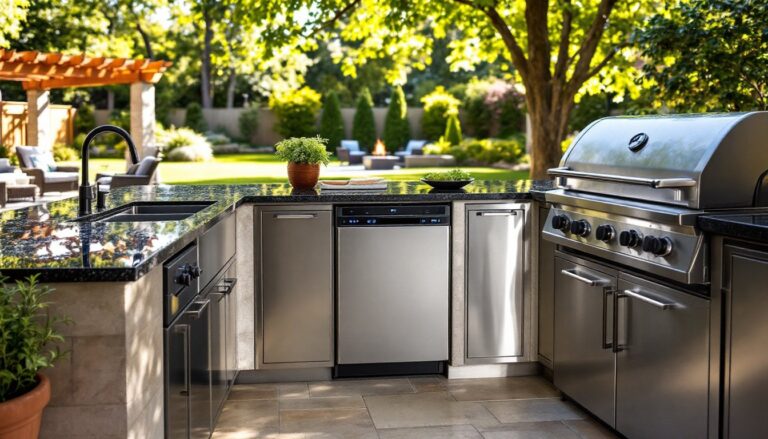
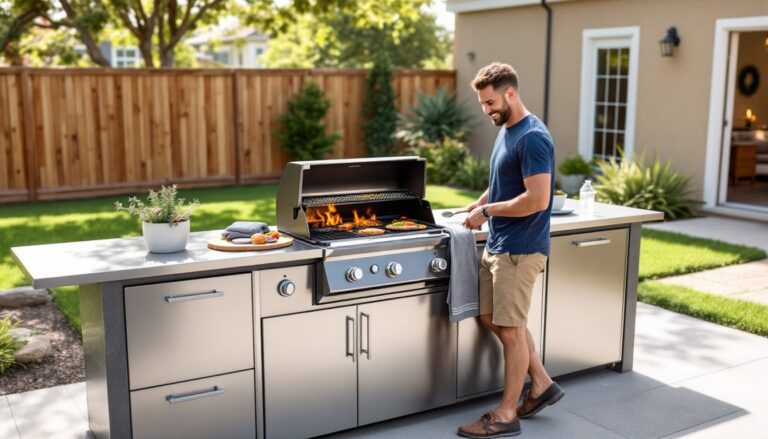
Modular outdoor kitchens have changed the game for homeowners who want a functional cooking space without the cost and timeline of a full custom build. Instead of months of construction and five-figure invoices, these systems let you assemble pre-fabricated units, grill islands, counter modules, storage cabinets, in a weekend. They’re designed to fit together like building blocks, making expansion or reconfiguration straightforward. Whether you’re grilling for two or hosting a backyard crowd, modular setups offer flexibility that traditional masonry or poured-concrete kitchens can’t match.
Table of Contents
ToggleKey Takeaways
- Modular outdoor kitchens offer a cost-effective and faster alternative to custom builds, typically running $3,000 to $12,000 and requiring only a weekend to assemble compared to months of construction.
- A modular outdoor kitchen’s success depends on proper component selection—prioritize welded stainless steel frames, outdoor-rated hardware, and correct grill cutout sizes to match your cooking needs.
- Plan your layout using the work triangle concept (grill, prep counter, sink between 4–9 feet apart) and ensure at least 24 inches of prep counter on each side of the grill for maximum functionality.
- Gas and electrical hookups require licensed professionals in most jurisdictions; while basic assembly is DIY-friendly, utility work must meet NFPA, NEC, and local plumbing codes to ensure safety.
- Proper installation includes leveling on a solid patio slab, sealing all countertop seams with outdoor-rated caulk, and maintaining required clearances (10 feet from combustibles, 36 inches in front for safe operation).
- Before purchasing, confirm local permit requirements and site conditions—some areas treat modular kitchens as furniture, while others require permits for gas, electrical, and plumbing installations.
What Is a Modular Outdoor Kitchen?
A modular outdoor kitchen consists of pre-fabricated components, individual units like grill cabinets, sink stations, storage drawers, and countertops, that connect to form a complete cooking setup. Unlike custom-built kitchens that require masonry work, concrete pours, or framing from scratch, modular units arrive ready to assemble. Most are built from stainless steel, polymer stone, or marine-grade materials designed to handle weather exposure.
The key advantage is standardization. Cabinet widths typically come in 24-inch, 36-inch, and 48-inch modules, allowing you to mix and match based on your space and budget. Countertops either sit as individual caps or span multiple units with integrated seams. Plumbing and gas lines still require proper installation, modular doesn’t mean code-free, but the structural work is minimal compared to pouring a concrete base and building block walls.
These systems range from simple two-piece grill islands to eight-unit layouts with refrigeration, pizza ovens, and bar seating. Brands like Danver, NewAge Products, and Cal Flame dominate the market, but quality varies. Look for welded stainless steel frames (not just cladding), adjustable leveling feet, and UV-resistant finishes if you’re in a high-sun region.
Key Benefits of Choosing Modular Over Custom Built
Cost is the most obvious win. A modular setup typically runs $3,000 to $12,000 depending on configuration, while a comparable custom build can hit $15,000 to $30,000 once you factor in labor, permits, and site prep. Modular units also ship flat-packed or partially assembled, cutting down on delivery fees.
Installation speed is another major factor. Most modular kitchens can be placed and leveled in a day or two, assuming your patio slab is already poured and level. Custom builds require framing, masonry work, curing time for concrete or mortar, and multiple contractor visits. If you’re working around a deadline, say, a summer party, modular is the only realistic option.
Flexibility matters for homeowners who might move or want to reconfigure their space. Modular units can be disassembled, relocated, or expanded. Add a new module next season without tearing out existing work. Custom kitchens are permanent: once that concrete is poured, you’re committed.
That said, modular systems have limits. They won’t match the aesthetic of a tiled, curved-counter custom kitchen, and they typically max out around 10 to 12 feet in length before structural challenges arise. For sprawling outdoor spaces that integrate <a href="https://marnihalasa.com/custom-outdoor-living/”>custom outdoor living designs, a hybrid approach, modular core with custom finishes, might make sense.
Essential Components for Your Modular Outdoor Kitchen
Grills and Cooking Stations
The grill is the centerpiece. Most modular systems accommodate built-in grills (as opposed to drop-ins), which sit inside a cabinet frame and connect to a gas line or LP tank. Standard cutouts are 24, 30, 36, or 42 inches wide. If you already own a freestanding grill, measure the firebox dimensions before buying a module, some brands require proprietary units.
Gas vs. charcoal is a personal call, but built-in gas grills are far more common in modular setups due to simpler venting and fuel storage. For charcoal purists, look for modules with open bases that allow airflow and ash cleanout. Kamado-style grills (Big Green Egg, Kamado Joe) require dedicated tables or inserts: don’t assume a standard module will work.
Beyond the main grill, consider a side burner module (single or double burner) for sauces or side dishes. These usually occupy a 12 to 18-inch cabinet and run off the same gas line. Some setups include a griddle insert or pizza oven, but those add weight and require additional structural support. Check load ratings on your patio slab if you’re stacking heavy components.
Always install a manual shutoff valve within reach of the grill, per NFPA 58 (LP gas code) and IFGC (natural gas code). If your system uses natural gas, hire a licensed plumber for the hookup. LP tank storage should be ventilated and away from ignition sources, most modular cabinets include vented doors for this reason.
Storage and Counter Modules
Storage modules come in drawer, door, or combo configurations. Drawers are more expensive but far more practical for utensils, tools, and smaller items. Door cabinets work well for bulk storage, propane tanks, charcoal bags, or trash bins. Look for soft-close hinges and sealed drawer glides rated for outdoor use: standard indoor hardware will rust.
Countertop material affects both durability and cost. Stainless steel is the workhorse, heatproof, easy to clean, and weather-resistant, but shows scratches and fingerprints. Tile or granite overlays add visual warmth but require sealing and can crack in freeze-thaw climates. Polymer composite counters (like those from Dekton or Neolith) resist staining and UV damage but cost significantly more.
Counter depth is typically 24 inches, matching indoor kitchen standards. If you’re adding bar seating, plan for a 12 to 15-inch overhang on one side, supported by brackets or corbels. Unsupported overhangs longer than 6 inches can crack under weight.
For utility modules, a sink station is a game-changer. These require a water supply line and drain, which means trenching if you’re more than 20 feet from the house. Use PEX tubing for supply lines in cold climates (it’s freeze-resistant) and pitch drain lines at least 1/4 inch per foot to prevent standing water. A sink also means you’ll need a P-trap and vent per plumbing code, check local requirements.
Refrigeration modules are common but add complexity. Outdoor-rated refrigerators handle temperature swings and humidity better than standard units. They typically draw 3 to 5 amps, so plan for a dedicated GFCI-protected 120V outlet within 6 feet per NEC Article 210.8. If your kitchen is far from the house panel, you may need a subpanel or trench for underground wiring, hire an electrician for this.
Planning Your Layout: Design Tips for Maximum Functionality
Start with the work triangle concept: grill, prep counter, and sink should form a triangle with sides between 4 and 9 feet. This minimizes steps and keeps traffic flow efficient. If you’re cooking for a crowd, you’ll appreciate not having to walk ten feet for a clean spatula.
Counter space is non-negotiable. Plan for at least 24 inches of prep surface on either side of the grill. If you’re adding a side burner, leave another 12 to 18 inches between it and the grill to avoid crowding. Homeowners consistently underestimate how much counter space they’ll use, err on the side of more.
Orientation matters. Place the grill so the cook faces the patio or seating area, not a fence or wall. This keeps the chef part of the conversation and makes supervision easier if kids are around. Avoid positioning the grill where prevailing winds will blow smoke toward the house or seating.
Clearances are both practical and code-driven. Keep the grill at least 10 feet from combustible structures (wood siding, overhangs, pergolas) per NFPA 1 Fire Code. Leave 36 inches of clearance in front of the grill for safe maneuvering with hot pans. If your kitchen backs up to a property line, check local setback requirements, some jurisdictions treat outdoor kitchens as structures requiring 5 to 10-foot setbacks.
Think about utilities early. Gas, water, and electrical lines all need to reach your kitchen. Trenching for underground lines is easier before modules are placed. Gas lines should be black steel or CSST (corrugated stainless steel tubing), buried at least 18 inches deep (deeper if required by local code). Electrical conduit should be PVC Schedule 40 or rigid metal, buried 18 to 24 inches depending on voltage and wire type.
For homeowners looking to enhance their entire backyard, integrating outdoor living space elements like seating areas or fire pits can create a cohesive entertaining zone.
Installation Guide: DIY vs. Professional Setup
DIY installation is feasible if you’re comfortable with basic carpentry and have a level patio slab. Most modular units bolt or screw together: no welding or masonry required. You’ll need a 4-foot level, adjustable wrench set, drill/driver, and socket set. Some units weigh over 100 pounds, so a second pair of hands is essential.
Start by laying out modules dry (no fasteners) to confirm fit and spacing. Check level in both directions using shims or adjustable feet, most units have threaded leveling feet that adjust up to 2 inches. If your slab is off by more than that, you’ll need to grind high spots or build up low areas with non-shrink grout or shim stock.
Once positioned, connect modules using the manufacturer’s hardware, usually stainless steel bolts or brackets that run through the cabinet frames. Seal seams between countertops with 100% silicone caulk rated for outdoor use. Don’t skip this: water intrusion is the main cause of cabinet frame rust.
Gas and electrical hookups are where most DIYers should stop. Gas line work requires pressure testing (usually 10 to 15 psi for 15 minutes with zero drop) and leak checks using soapy water or electronic detectors. Mistakes can lead to leaks, fires, or carbon monoxide buildup. Many jurisdictions require licensed plumbers for gas work and will inspect before issuing a certificate of occupancy.
Electrical work must meet NEC standards: GFCI protection on all outdoor outlets, weatherproof boxes and covers (even when a plug is inserted), and proper wire sizing for load. A typical outdoor kitchen might draw 20 to 30 amps total: consult an electrician to confirm your panel can handle the load.
Professional installation typically costs $1,000 to $3,000 depending on complexity, utilities, and site prep. It’s worth it if you’re trenching for gas or water, running electrical from a distant panel, or installing on an unlevel surface. Many modular manufacturers offer referral networks or certified installers who know the quirks of their specific systems.
High-end installations often pair modular cabinets with professional outdoor design elements like integrated lighting, pergolas, or paver surrounds. Features inspired by sophisticated outdoor aesthetics can elevate a basic setup into a true backyard showpiece.
Permits vary widely. Some jurisdictions treat modular kitchens as movable furniture (no permit), while others require permits for gas, electrical, and plumbing work. Call your local building department before you buy. If your project includes a roof structure or exceeds a certain square footage, you may also need a zoning review or HOA approval.
Safety gear: Wear work gloves when handling stainless steel panels (sharp edges), safety glasses when drilling, and knee pads if you’re working on concrete. If cutting metal or tile, add a respirator rated for metal dust (N95 or P100).
Final tip: photograph your layout and utility runs before covering trenches or installing modules. If you ever need to troubleshoot a gas leak or electrical fault, you’ll thank yourself for the documentation.