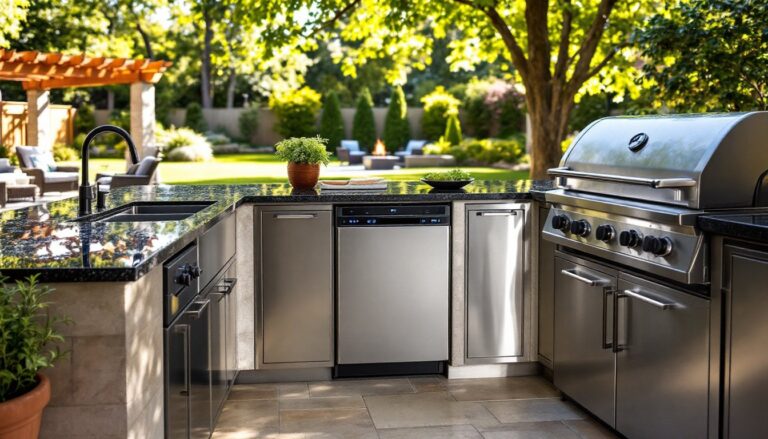
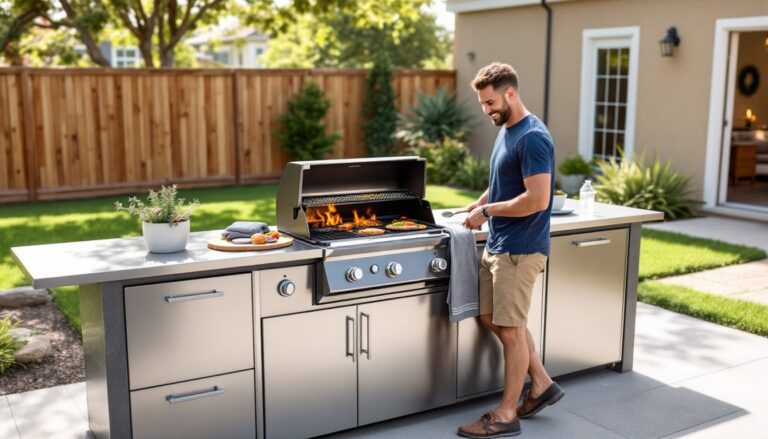
Building an outdoor kitchen doesn’t mean you’re locked into a custom, contractor-led project that takes months and costs a fortune. Modular outdoor kitchen cabinets offer a smarter alternative: weatherproof, pre-sized units that homeowners can configure, install, and even relocate if needed. They’re engineered to withstand UV exposure, temperature swings, and moisture while giving the flexibility to start small and expand later. Whether planning a simple grill station or a full cooking setup with storage and a sink, modular cabinets let DIYers build in stages without tearing out permanent structures.
Table of Contents
ToggleKey Takeaways
- Modular outdoor kitchen cabinets provide a flexible, cost-effective alternative to permanent built-in kitchens, starting as low as $300–$600 per unit and allowing homeowners to expand in stages.
- Marine-grade polymer and 304 stainless steel are the best materials for modular outdoor kitchen cabinets in humid or coastal climates, resisting rust, warping, and mold far better than powder-coated alternatives.
- Proper installation requires a level, stable base (concrete or composite deck), precise leveling, and secure cabinet connections using bolts—no permits needed for freestanding units, though gas and electrical work demands licensed professionals.
- Essential features include stainless-steel hardware, louvered ventilation, adjustable leveling feet, and UV-resistant finishes to prevent premature fading and ensure long-term durability.
- Regular maintenance—including biannual hardware inspections, annual lubrication, and seasonal deep cleaning—keeps modular outdoor kitchen cabinets functional and extends their manufacturer-backed 5–10 year finish warranty.
What Are Modular Outdoor Kitchen Cabinets?
Modular outdoor kitchen cabinets are freestanding or semi-permanent units designed to house appliances, storage, and work surfaces in outdoor cooking areas. Unlike traditional built-in cabinetry that requires framing, they come in standardized widths, typically 24″, 30″, 36″, and 48″, with pre-finished exteriors and hardware.
Most units use marine-grade polymer, stainless steel, or powder-coated aluminum rather than wood. These materials resist warping, rust, and mold, making them suitable for climates with heavy rain, humidity, or freezing temperatures. Cabinet interiors often include adjustable shelves, pull-out drawers, and cutouts for propane tanks or trash bins.
The “modular” aspect means each piece is self-contained but designed to align with adjacent units. Homeowners can buy a single cabinet to start, then add corner units, sink bases, or grill islands as budget and space allow. Since they’re not structurally integrated into a deck or patio, most don’t require permits, though adding gas, electrical, or plumbing lines will.
Why Choose Modular Cabinets for Your Outdoor Kitchen
Flexibility is the biggest advantage. Homeowners can reconfigure layouts if they move, change grill models, or decide to expand the kitchen. Built-in masonry islands are permanent: modular cabinets can be unbolted and relocated.
Cost control matters. A full built-in outdoor kitchen typically starts around $5,000–$15,000 (material and labor), depending on region and finishes. Modular systems let DIYers phase spending, buy a grill cabinet and counter this season, add a sink module next year. Entry-level polymer cabinets start near $300–$600 per unit: stainless models run $800–$2,500.
Installation is straightforward. Most modular cabinets sit on adjustable legs or a pedestal base. Leveling takes minutes with a 4-foot level and wrench. No masonry skills, concrete pouring, or tile cutting required. That said, connecting gas lines or electrical outlets still demands proper fittings and, in many jurisdictions, a licensed plumber or electrician.
Weather resistance is engineered in. Quality outdoor cabinets include sealed doors, stainless-steel hinges, and ventilated backs to prevent moisture buildup. They won’t swell or rot like treated lumber might over time. Many manufacturers warrant their finishes for 5–10 years against fading and corrosion.
Types of Modular Outdoor Kitchen Cabinets
Grill cabinets are open-front units designed to house drop-in grills or side burners. They typically include a bottom shelf for propane tanks and rear cutouts for hose routing. Widths match common grill sizes: a 30″ grill fits a 32–34″ cabinet: a 36″ grill needs a 38–40″ unit.
Storage cabinets feature hinged doors and internal shelving for utensils, plates, or dry goods. Look for models with magnetic or cam-lock latches, standard spring catches can pop open in wind. Some include pull-out drawers with full-extension slides rated for 75–100 lbs, useful for cast-iron cookware.
Sink base cabinets have pre-drilled holes for faucet installation and open interiors to accommodate P-traps and supply lines. Most are 36″ wide to fit a standard single-bowl drop-in sink. Ensure the cabinet bottom is sloped or has drainage holes: standing water will eventually corrode even stainless interiors.
Refrigerator and beverage center cabinets are insulated units designed for outdoor-rated mini-fridges or kegerators. They include ventilation cutouts and, sometimes, drip trays. Not all indoor refrigerators are rated for outdoor temperature ranges (below 40°F or above 100°F), so verify the appliance specs.
Corner units and side panels fill gaps and provide finished edges. They don’t add functional space but give a built-in appearance and block wind or pests from entering cabinet interiors.
Key Features to Look for in Outdoor Kitchen Cabinets
Material grade matters more than brand. For coastal or high-humidity climates, marine-grade polymer or 304 stainless steel is worth the upfront cost. Powder-coated steel is fine for dry regions but will eventually chip and rust if exposed to salt air or standing water. Avoid cabinets with particle board or MDF cores, even “weather-resistant” versions will delaminate.
Hardware should be stainless steel, specifically 304 or 316 grade. Zinc-plated hinges and drawer slides will corrode within two seasons in most climates. Soft-close mechanisms are a nice upgrade but aren’t essential: focus on corrosion resistance first.
Ventilation is non-negotiable for grill and appliance cabinets. Enclosed propane tanks need airflow to prevent gas buildup. Look for louvered backs or side vents. According to Bob Vila, proper ventilation also extends the life of cabinet interiors by reducing heat and moisture accumulation.
Leveling feet or adjustable plinths are crucial. Patios and decks are rarely perfectly flat. Cabinets with threaded leg levelers (usually ½”–1″ adjustment range) let you align countertops and doors without shimming.
UV-resistant finishes prevent fading. Polymer cabinets are typically UV-stabilized during manufacturing. Painted or powder-coated metal should specify UV resistance: without it, colors will chalk and fade within 12–18 months of direct sun exposure.
Countertop compatibility varies. Some modular cabinets include integrated tops: others require separate purchase. If buying separately, tile, granite, or stainless-steel counters work well. Laminate won’t survive direct sun and moisture. Ensure cabinets have a solid top frame (not just corner supports) to prevent sagging under the weight of stone or concrete tops.
How to Plan and Install Modular Outdoor Kitchen Cabinets
Start with a scale drawing. Measure the available patio or deck space, noting any slopes, drains, or overhead structures. Mark gas line locations, electrical outlets, and water supply if planning a sink. Standard outdoor kitchen layouts follow the work triangle principle, grill, prep surface, and sink within a few steps of each other.
Check local codes before ordering. Most jurisdictions don’t require permits for freestanding cabinets, but gas line extensions, new electrical circuits, or permanent plumbing connections do. Call your local building department or check the International Residential Code (IRC) for your area. If running a new 120V outdoor circuit, it must be GFCI-protected per NEC Article 210.8.
Prepare the surface. Cabinets need a level, stable base, concrete pavers, a poured slab, or a composite deck rated for 50 lbs/sq ft live load. Gravel or grass won’t work: cabinets will settle unevenly. If installing on an existing deck, verify joist spacing and load capacity, especially for heavy stone countertops.
Assemble and level each unit. Most modular cabinets ship flat-packed or require minimal assembly (attaching legs, doors, or backs). Use a 48″ or 72″ level to check front-to-back and side-to-side. Adjust leg levelers until bubble is centered. Don’t skip this, misaligned cabinets cause doors to swing open and countertops to gap.
Secure cabinets together. Use the included cabinet connector bolts (usually ¼” or M6 screws) to join adjacent units at the front and rear frame rails. This prevents shifting and creates a continuous countertop surface. Don’t over-tighten: you’ll strip the threads in polymer or thin-gauge steel.
Install appliances and countertops last. Drop in the grill, sink, or refrigerator according to manufacturer instructions. Many outdoor grills require a rear vent gap of 3–6″ and clearance from combustible surfaces. Secure countertops with silicone adhesive or mechanical fasteners depending on material. Considering expanding your setup? Many homeowners incorporate custom outdoor living elements to tie the kitchen into a larger entertainment space.
Run utilities with a pro if needed. DIYers can handle cabinet assembly, but gas lines and electrical work often require licensed contractors. A botched gas connection is a serious safety hazard: a faulty outdoor electrical circuit can trip breakers or, worse, cause shocks. Budget $300–$800 for professional hookups depending on complexity.
Maintenance Tips for Long-Lasting Outdoor Cabinets
Clean regularly with mild soap and water. Grease, pollen, and bird droppings will stain any finish if left too long. Use a soft sponge or microfiber cloth, abrasive pads scratch stainless steel and polymer. Rinse thoroughly: soap residue attracts dirt.
Inspect and tighten hardware twice a year. Temperature swings cause metal to expand and contract. Check hinge screws, drawer slides, and leg levelers every spring and fall. A loose hinge puts stress on the door frame and can crack polymer or bend thin steel.
Lubricate moving parts annually. Apply a silicone-based lubricant (not WD-40, which attracts dust) to drawer slides, hinges, and latches. Avoid petroleum-based products on polymer cabinets: they can degrade the finish. For woodworking enthusiasts looking to build custom drawer organizers or utensil racks, Ana White offers free plans that fit standard cabinet dimensions.
Cover or store during extreme weather. While outdoor cabinets are weatherproof, tarps or custom covers extend their life, especially in areas with heavy snow, hail, or salt spray. If cabinets will sit unused for months, remove propane tanks and drain any plumbing lines to prevent freeze damage.
Touch up scratches and chips promptly. For powder-coated finishes, use matching touch-up paint from the manufacturer. On stainless steel, a stainless polish or scratch-removal compound can blend minor abrasions. Exposed metal will rust: even “stainless” steel can pit in salt air if the protective oxide layer is compromised.
Check for pest activity. Gaps around doors or vents can admit rodents, insects, or even small birds. Seal any openings larger than ¼” with stainless-steel mesh or weatherstripping. Don’t use expanding foam: it degrades in UV and looks sloppy.
Seasonal deep-clean includes the interior. Pull out shelves and drawers, vacuum crumbs and debris, and wipe down all surfaces. For project ideas on organizing your outdoor kitchen storage, Fix This Build That features tutorials on custom shelving inserts and pull-out trays.
Conclusion
Modular outdoor kitchen cabinets deliver the functionality of a built-in setup without the commitment, cost, or complexity. They’re a practical choice for homeowners who want to start small, adapt over time, or avoid contractor schedules. With the right materials, proper installation, and routine upkeep, these cabinets will handle years of grilling, entertaining, and weather exposure, turning any patio into a true outdoor cooking space.