Indoor outdoor living spaces blur the line between interior comfort and outdoor freedom, and they’re no longer just for warm climates or new construction. Homeowners are reimagining sliding doors, patios, and transitional zones to create year-round spaces that feel cohesive, functional, and intentional. Whether it’s a covered patio that mirrors your kitchen aesthetic or a sunroom with weather-resistant finishes, these hybrid zones add livable square footage without the cost of a full addition. This guide walks through the design fundamentals, practical upgrades, and DIY strategies to help anyone create a seamless indoor outdoor space that actually works.
Table of Contents
ToggleKey Takeaways
- Indoor outdoor living spaces blur the line between interior and exterior by using flooring continuity, matching materials, and cohesive color palettes to create year-round functional zones.
- Seamless material transitions—such as matching porcelain tile indoors and out, or pairing composite decking with luxury vinyl plank—are essential for making indoor outdoor spaces feel intentional and unified.
- Large-format glass doors, outdoor-rated electrical systems, and weather-resistant furniture are key functional upgrades that transform indoor outdoor living spaces from visual showpieces into genuinely usable areas.
- DIY-friendly strategies like proper surface prep, staged flooring installation, low-voltage lighting, and annual weatherproofing maintenance make it feasible for homeowners to build indoor outdoor spaces without hiring contractors for every task.
- Popular indoor outdoor living space designs include open-plan kitchens with covered patios, three-season rooms with operable walls, and covered decks with retractable screens—each tailored to different climates and usage patterns.
What Are Indoor Outdoor Living Spaces?
An indoor outdoor living space is any area of a home designed to transition smoothly between enclosed and open-air environments. Think of it as an intentional buffer zone, spaces like covered patios, three-season rooms, screened porches, or even open-plan kitchens with accordion glass doors that open directly to a deck.
The goal is continuity: flooring that flows from tile indoors to stamped concrete outside, furniture that withstands moisture but still looks residential, and finishes that don’t clash the moment you step through the threshold. These spaces extend usable square footage and create flexible zones for dining, entertaining, or lounging. They’re especially valuable in moderate climates where outdoor time spans more than just summer weekends.
Unlike traditional patios or sunrooms, today’s indoor outdoor spaces prioritize year-round function. That means weather-rated ceiling fans, outdoor-safe upholstery, and surfaces built to handle UV exposure and temperature swings. The design borrows from both worlds: structural elements like rooflines or pergolas provide shelter, while large glass panels or pocket doors maintain sightlines and airflow.
Key Design Elements for Seamless Transitions
Flooring and Material Continuity
Flooring is the single most important visual cue for continuity. When materials, color, or pattern shift abruptly at a doorway, the space feels segmented. A smooth transition signals that both zones belong together.
For true continuity, use the same material on both sides, porcelain tile rated for outdoor use works indoors and out. Standard ceramic tile can crack in freeze-thaw cycles, so check the product’s PEI rating (Porcelain Enamel Institute) and ensure it’s slip-resistant for wet conditions. Large-format tiles (12×24 or bigger) reduce grout lines and create a cleaner look.
If matching materials exactly isn’t feasible, keep the color and scale consistent. Gray composite decking can mirror gray luxury vinyl plank (LVP) indoors. Stained concrete outside pairs well with polished concrete or concrete-look tile inside. Use a flush threshold or a narrow metal transition strip to avoid a visible step-down, code often requires a maximum ½-inch height difference at exterior doors for accessibility.
Wood decking looks great but requires upkeep. If pairing wood outdoors with hardwood inside, match the plank width and stain tone. Pressure-treated lumber (actual dimensions: 1.5″ × 5.5″ for nominal 2×6 decking) needs time to dry before staining: composite or PVC decking skips that step but costs roughly $3–$6 per linear foot more.
Matching Color Palettes and Textures
Color and texture tie the two zones together when materials can’t match exactly. Start with a neutral base palette, grays, taupes, whites, or warm beiges, then layer in accent colors that work indoors and out.
Outdoor fabrics have come a long way. Solution-dyed acrylic (like Sunbrella) resists fading and mildew, and it’s soft enough for throw pillows and cushions that look residential. Pair those with indoor upholstery in the same color family. If your indoor sofa is charcoal linen, echo it outside with charcoal outdoor cushions and dark wicker or powder-coated aluminum frames.
Textures matter, too. Smooth materials (glass, metal, polished stone) feel modern and tie spaces together visually. Rough textures (natural stone, reclaimed wood, rattan) add warmth but should be used consistently. Mixing a sleek glass coffee table indoors with a similar metal-and-glass table outside reinforces the connection.
Lighting is part of the palette. Use the same fixture style and finish on both sides of the threshold, matte black or brushed nickel sconces work equally well indoors and in covered outdoor zones. Dimmable LED fixtures (outdoor-rated with a wet or damp location label) let you adjust mood and function. String lights or recessed cans in a soffit create evening ambiance without requiring table lamps.
Popular Indoor Outdoor Living Space Ideas
Some layouts and upgrades prove more effective than others. Here’s what homeowners and designers are building right now:
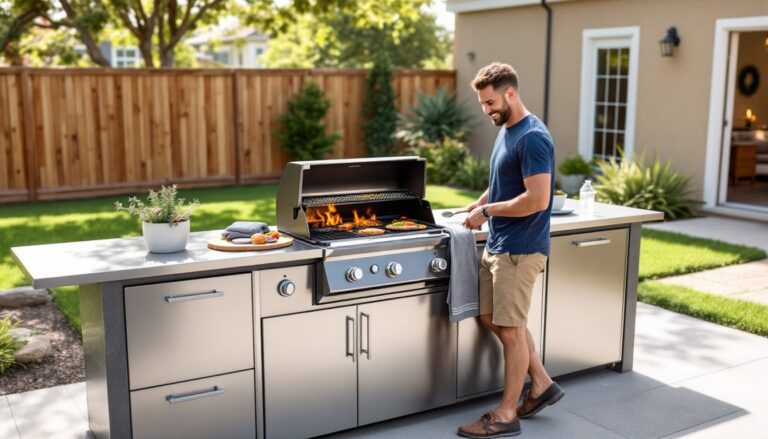
Open-plan kitchen to covered patio: A wall of sliding or folding glass doors connects the kitchen directly to a covered patio with an outdoor kitchen or bar. This setup works best when the patio has a roof or pergola and shares the same flooring or a close match. Install a wet-rated electrical box for a beverage fridge or griddle.
Three-season room with operable walls: These are enclosed with windows or screens but lack full HVAC. Upgrade with insulated glass, a ductless mini-split, or a radiant floor heating system (requires 240V circuit and subfloor access) to extend the season. Some jurisdictions classify these as conditioned space once heated, which may affect permits and property tax.
Sunroom addition with exterior access: A true sunroom is fully enclosed and conditioned, making it part of the home’s heated square footage. Adding French doors or sliders that open to a deck creates a layered transition. This approach often requires professional framing and may trigger luxury outdoor living upgrades like vaulted ceilings or skylights.
Covered deck with retractable screens: Motorized or manual screens drop from the roofline to block bugs or sun. Pair this with weather-resistant furniture and ceiling fans for a space that feels semi-enclosed. Screens alone won’t stop rain or wind, so plan furniture and finishes accordingly.
Breezeway or loggia: These are roofed, open-sided corridors connecting two parts of the house or linking the house to a detached structure (garage, studio, pool house). They work in climates where rain is frequent but freezing temps are rare. Brick or stone pillars and poured concrete floors hold up best.
Essential Features and Upgrades to Consider
Beyond aesthetics, a few functional upgrades make the difference between a space that gets used daily and one that sits empty.
Large-format glass doors: Sliding, bi-fold, or lift-and-slide systems open wide to erase the wall between inside and out. Lift-and-slide doors are pricier but glide smoothly even in widths over 12 feet. Check the door’s U-factor (lower is better for insulation) and consider Low-E glass to reduce UV and heat gain. Installation is heavy work, panels can weigh 200+ pounds, so hire pros or recruit help.
Outdoor-rated electrical and lighting: Any receptacle or fixture in a wet or damp location needs the appropriate rating. GFCI-protected circuits are required by the National Electrical Code (NEC) for outdoor receptacles. Run conduit through walls or under decking: don’t rely on extension cords. If adding a ceiling fan, mount it to a fan-rated electrical box secured to a joist or blocking.
Weatherproof furniture and fabrics: Even under a roof, outdoor furniture faces humidity and temperature swings. Powder-coated aluminum and all-weather wicker hold up better than wood or wrought iron (which rusts). Cushions should have quick-dry foam cores and removable, washable covers. Store cushions during heavy rain or winter if possible.
Ceiling fans and shade solutions: A wet-rated ceiling fan (not just damp-rated) can handle direct exposure to rain. For covered spaces, damp-rated is fine. Fans should have a minimum 7-foot clearance from the floor to blade tips. Retractable awnings, roller shades, or fixed pergola slats provide adjustable sun control, custom outdoor living projects often integrate motorized shade systems.
Outdoor heating and cooling: Propane or natural gas patio heaters extend shoulder-season use. Infrared electric heaters mount to ceilings or walls and don’t require venting. For cooling, misting systems or evaporative coolers work in dry climates: in humid areas, install a ductless mini-split with an outdoor compressor. Any gas line work requires a licensed plumber and a permit in most jurisdictions.
DIY Tips for Creating Your Own Indoor Outdoor Space
Many elements of an indoor outdoor project are DIY-friendly, especially if the structure and major systems are already in place.
Start with a clear plan and measurements: Measure door openings, ceiling heights, and distances to electrical panels or gas lines. Sketch the layout to scale on graph paper or use a free tool like SketchUp. Identify which tasks require permits (structural changes, electrical, gas, plumbing) and which are cosmetic.
Prep and paint surfaces properly: Exterior-grade paint and primer are non-negotiable for any surface exposed to weather. Clean all surfaces with a pressure washer or TSP solution, let dry fully (24–48 hours), then prime. Use 100% acrylic latex paint for wood siding or trim: it flexes with temperature changes. For concrete or masonry, use a masonry primer and porch/floor paint rated for foot traffic.
Install outdoor flooring in stages: If laying tile, start with a level substrate, pour a new concrete slab or install a mortar bed over existing concrete. Use thinset mortar rated for outdoor use and a notched trowel (size depends on tile dimensions). For composite decking, install over pressure-treated joists spaced 16 inches on center (12 inches for some brands). Hidden fasteners give a cleaner look than face screws. Always follow manufacturer guidelines for gapping and ventilation to prevent warping.
Hang outdoor curtains or screens for privacy: Outdoor curtain rods mount to posts or walls with heavy-duty brackets. Use stainless steel or powder-coated hardware to resist rust. Grommeted panels in solution-dyed fabric hold up in sun and rain. For screens, tension cable kits let you hang roll-up shades without permanent framing. Studies on indoor outdoor design show that layered privacy solutions improve comfort and usability.
Add DIY lighting with solar or low-voltage systems: Solar path lights and string lights need no wiring and install in minutes. For permanent fixtures, low-voltage landscape lighting (12V or 24V) is safer and easier than line voltage. Run landscape wire from a plug-in transformer to fixture locations, burying cable 6–12 inches deep. Use waterproof wire connectors and test each fixture before backfilling.
Safety and permits: Always wear safety glasses, gloves, and hearing protection when cutting, drilling, or using power tools. A dust mask or respirator is essential when cutting pressure-treated lumber or working with concrete dust. Check local building codes before starting, most jurisdictions require permits for electrical work, structural changes, or any addition over 120 square feet. If you’re unsure, consult a licensed contractor. Resources like Homedit and Dwell showcase finished projects that can inspire your own approach, but always verify that designs meet local code.
Weatherproofing and maintenance: Seal wood decking annually with a water-repellent stain or sealer. Re-caulk door thresholds and window frames every 2–3 years with polyurethane or silicone caulk (not latex, which degrades outdoors). Power-wash surfaces in spring, but keep the pressure under 1,500 PSI for wood to avoid splintering. Clean outdoor fabrics with mild soap and water: most can go in a front-load washer on gentle cycle.
Tackling one element at a time, flooring first, then lighting, then furniture, keeps the project manageable and lets homeowners see progress without committing to a full-scale renovation. Even small changes, like matching paint colors or swapping indoor-only furniture for weather-rated pieces, make a noticeable difference in how cohesive the space feels.