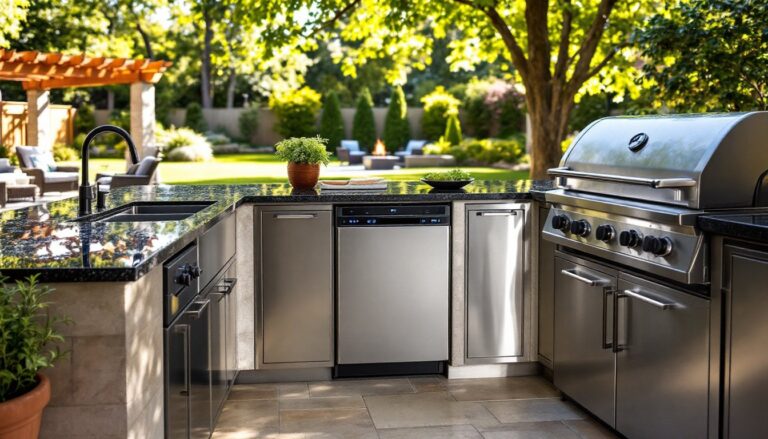
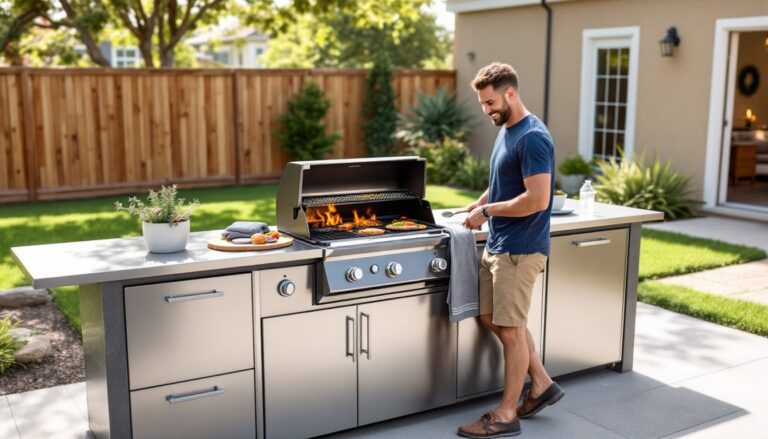
Building an outdoor kitchen transforms how a homeowner entertains and enjoys their backyard. Lynx has been manufacturing commercial-grade outdoor cooking equipment since 1996, and their stainless steel construction and professional performance make them a top-tier choice for serious outdoor cooks. Unlike entry-level brands that use thinner gauge steel and basic burners, Lynx builds components designed to handle year-round weather exposure and deliver restaurant-quality results. This guide walks through what makes Lynx stand out, which components matter most, how to plan a functional layout, whether to DIY or hire out, and how to keep the investment running smoothly for decades.
Table of Contents
ToggleKey Takeaways
- Lynx outdoor kitchens use commercial-grade 304 stainless steel, seamless welded construction, and reliable hot surface ignition systems that outlast entry-level brands in any climate.
- A functional Lynx outdoor kitchen layout prioritizes the work triangle of grill, prep surface, and refrigeration, with proper clearances and utility planning essential before installation.
- Essential components beyond the main grill—side burners, outdoor-rated refrigeration, storage drawers, and specialized cooking surfaces—create a versatile and complete outdoor cooking space.
- Gas connections and electrical work must be handled by licensed professionals in most jurisdictions, though confident DIYers can handle framing, countertop installation, and non-powered components.
- Regular maintenance including post-use grate cleaning, bi-weekly stainless steel wiping, quarterly burner cleaning, and semi-annual refrigeration coil inspection ensures decades of reliable performance from your Lynx investment.
What Makes Lynx Outdoor Kitchens Stand Out?
Lynx builds equipment with commercial-grade 304 stainless steel throughout, not just the exterior panels, but internal components like burners, heat zones, and mounting hardware. This matters because cheaper outdoor grills often use powder-coated steel or thin stainless that corrodes within a few seasons, especially in coastal or high-humidity climates.
Their Trident infrared burners deliver up to 25,000 BTU per burner with even heat distribution, which means fewer hot spots and better searing. The Prosear infrared burner option hits 35,000 BTU for steakhouse-quality crust. Most mid-tier grills top out around 15,000 BTU per burner and rely on traditional tube burners that create uneven zones.
Lynx also uses a seamless welded construction rather than bolted panels. This reduces gaps where grease, moisture, and debris accumulate, making cleanup easier and extending the lifespan. The hinges, knobs, and igniters are all stainless and designed for tens of thousands of cycles, important if someone grills multiple times per week.
Another standout: all-weather ignition systems. Electronic igniters fail constantly in outdoor environments due to moisture. Lynx uses a hot surface ignition system that lights reliably even in damp conditions. Many homeowners investing in luxury outdoor living setups prioritize reliability over flashy features, and ignition consistency is a common pain point with lesser brands.
Essential Components of a Lynx Outdoor Kitchen
Grills and Cooking Surfaces
The centerpiece is typically a built-in gas grill, available in 30″, 36″, 42″, and 54″ widths. Most homeowners choose the 36″ Professional model as it balances cooking capacity (870 sq in) with counter space. It includes three Trident burners, a Prosear burner, and a rotisserie burner with spit kit. Expect around 75,000 total BTU.
For serious outdoor cooks, adding a Lynx Asado built-in grill provides Argentine-style cooking with height-adjustable grates and a dedicated wood/charcoal drawer. It’s a different cooking style, slower, smokier, and pairs well with a gas grill for versatility.
Side burners (single or double) are essential for sauces, sides, and boiling. Lynx offers both traditional and high-performance versions: the high-performance model delivers 25,000 BTU, enough to wok or rapidly boil pasta water. Install these within arm’s reach of the main grill to avoid hauling hot pots across the patio.
Some layouts include a Teppanyaki griddle (electric or gas), which is excellent for breakfast, smash burgers, and stir-fries. The gas version integrates into the same fuel line as the grill. Those exploring different custom outdoor living configurations often add specialized cooking surfaces based on how they actually cook, not just what looks impressive.
Storage and Refrigeration Options
Outdoor kitchens fail when there’s no place to stash tools, propane, or cold ingredients. Lynx makes weather-sealed storage drawers and access doors in various widths (18″, 24″, 30″). Drawers use full-extension soft-close slides rated for outdoor moisture. Spec drawers for utensils, spices, and small tools: doors for propane tanks, trash bins, or larger items.
Outdoor-rated refrigeration is non-negotiable for serious setups. Standard indoor fridges aren’t insulated or sealed for temperature swings and humidity. Lynx offers a 24″ outdoor refrigerator (5.3 cu ft) with a stainless interior, weatherproof compressor, and glass door. It maintains 35-38°F even when ambient temps hit 100°F. Position it away from direct heat sources (grill side panels get hot). Undercounter refrigerators built for outdoor use often include added insulation and corrosion-resistant coils, which are critical in humid climates.
Consider a beverage center if entertaining is frequent. It holds cans and bottles at a different temp than food (usually 40-50°F) and frees up fridge space. Lynx makes a 24″ version with adjustable racks.
For ice, an outdoor-rated ice maker (also 24″ width) produces about 50 lbs per day. Plumb it with a dedicated water line and drain: standing water in an outdoor unit invites algae and scale buildup.
Designing Your Lynx Outdoor Kitchen Layout
Start with the work triangle: grill, prep surface, and refrigeration should form a compact zone. Keep the grill central, with at least 24″ of counter space on each side for plating and resting meat. Use a material like granite, concrete, or porcelain tile, avoid wood or laminate, which warp and stain.
Island vs. L-shape vs. straight run: An island layout works if the patio is at least 12′ x 14′ and provides access from multiple sides. L-shaped designs fit tighter spaces and create a natural division between cooking and seating. Straight runs are simplest and suit narrow patios but limit workflow.
Lynx components are modular and drop into built-in cutouts in the countertop. The base structure can be poured concrete, CMU block covered with stone veneer, stainless steel cabinetry, or a steel stud frame with cement board and tile. CMU is most durable and supports heavy granite slabs without flex. If building with steel studs, use 20-gauge galvanized studs and brace every 16″ on-center: outdoor kitchens are heavier than they look.
Clearances matter: The IRC and local fire codes typically require 12″ clearance from combustible surfaces (wood siding, pergola beams) to the grill body. Non-combustible surfaces (brick, stucco, stone) can be closer, but check local amendments. Lynx grills vent through the front and bottom, so rear clearance can be minimal, but ensure airflow isn’t blocked.
Plan for utilities early: A dedicated gas line (usually ½” black iron or CSST for runs over 25 feet), GFCI-protected 120V outlets for refrigeration and lighting, and water supply if adding a sink or ice maker. Bury lines at code depth (typically 18″ for gas, 12″ for electric in conduit, but verify with local code). This phase often requires permits and inspections.
Many homeowners integrating luxury outdoor living spaces into larger backyard projects coordinate the outdoor kitchen’s footprint with paver patios, pergolas, and fire features to create a cohesive zone.
Installation Considerations: DIY vs. Professional
Can this be DIY? Partially. A confident DIYer with masonry and gas experience can frame, set components, and run the rough-in utilities if they pull permits and pass inspections. But, final gas connections must be made by a licensed plumber or gas fitter in most jurisdictions. Same for electrical if the local AHJ (authority having jurisdiction) requires a licensed electrician for outdoor GFCI circuits.
Typical DIY scope:
- Building the base structure (CMU, steel frame, or concrete)
- Setting and leveling the countertop
- Cutting component openings
- Installing access doors, drawers, and non-powered components
- Running conduit and stub-outs for utilities (if permitted)
Professional scope:
- Final gas line connection and leak testing
- Electrical wiring and GFCI installation (depending on local code)
- Refrigeration setup and refrigerant checks
- Structural engineering if installing on a deck or raised platform
A full professional install for a mid-sized Lynx kitchen (36″ grill, side burner, fridge, storage) typically runs $8,000–$15,000 in labor, plus materials. That assumes a patio slab already exists and utilities are within 50 feet. Costs jump significantly if trenching across a large yard or if a new gas meter or electrical panel upgrade is needed.
Permits: Expect to pull permits for gas, electrical, and possibly structural work. Some municipalities also require a final inspection before turning on gas. Skipping permits risks failed home inspections during resale and potential insurance issues if a fire occurs.
If unfamiliar with gas pipe sizing or how to pressure test lines, hire out that portion. A leak in an outdoor gas line is a serious hazard. Wear safety glasses and work gloves when cutting metal studs, CMU blocks, or stone veneer, sharp edges and flying debris are constant.
Homeowners tackling similar projects often reference resources from The Kitchn for appliance selection insights and kitchen workflow tips that translate well to outdoor setups.
Maintenance and Care Tips for Longevity
Stainless steel doesn’t mean zero maintenance. Clean grill grates after every use while still warm: a stainless grill brush works, but avoid brass-bristle brushes that shed and can end up in food. For stubborn carbon, heat the grill on high for 10 minutes, then scrape.
Wipe exterior panels weekly with a microfiber cloth and stainless cleaner that matches the grain direction. Lynx uses a brushed finish: wiping against the grain leaves streaks. Avoid abrasive pads (Scotch-Brite, steel wool) that scratch the surface.
Every three months, remove and clean burners and heat baffles. Spiders and insects love to nest in burner tubes, blocking gas flow and causing uneven flames or flashback. Use a pipe cleaner or small wire brush to clear ports. Check the drip tray and grease management system, standing grease invites flare-ups and pests.
Twice a year, inspect gas connections with soapy water (bubbles indicate leaks). Tighten fittings if needed, but don’t over-torque and crack the flare. Lubricate hinges and moving parts with food-safe stainless lubricant.
For refrigeration, clean condenser coils every six months. Outdoor units accumulate dust, pollen, and cobwebs faster than indoor models. A clogged coil forces the compressor to work harder and shortens its lifespan. Also check door seals for cracks and gaps.
Off-season storage (if winters are harsh): Disconnect gas, drain water lines to prevent freeze damage, and cover the grill and components with UV-resistant, breathable covers. Avoid tarps that trap moisture.
Lynx warranties cover parts for varying terms (grill grates and burners often have shorter coverage than the firebox), so keep receipts and registration. Most failures within the first few years are igniter or control-related, not structural.
Homeowners committed to maintaining their investment often integrate maintenance into broader seasonal tasks, similar to the approach recommended for other IMC outdoor living projects that require weatherproofing and upkeep.