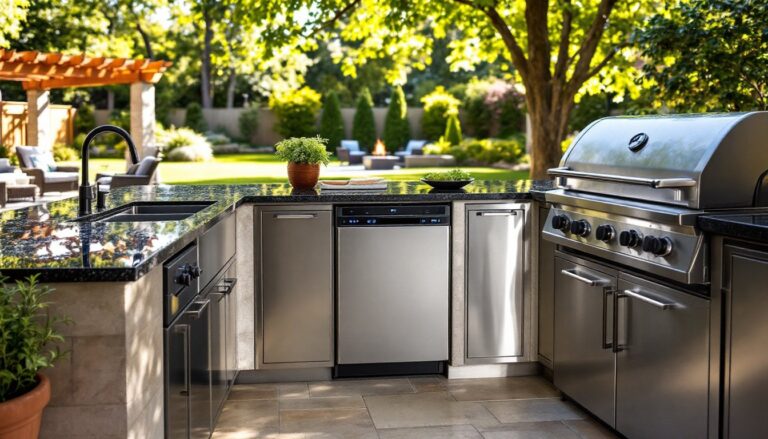
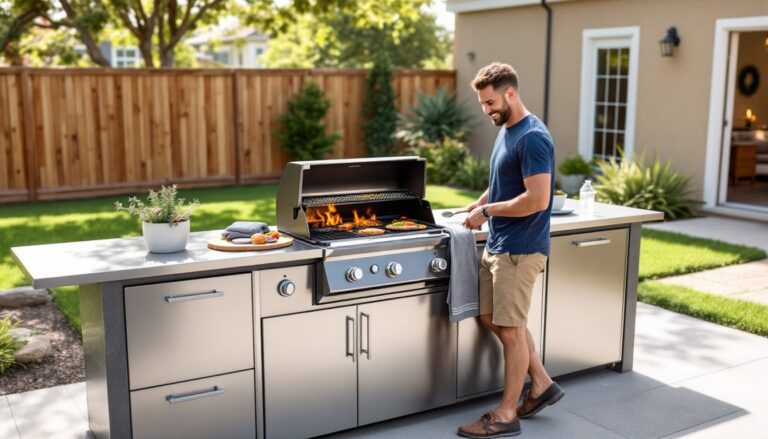
An <a href="https://marnihalasa.com/custom-outdoor-living/”>outdoor kitchen turns a backyard into a legitimate entertaining space, not just a grill on a patio. Building one yourself is feasible for intermediate DIYers with framing and basic utility experience, but it’s a multi-weekend project that involves concrete, gas or electrical work, and potentially permits. This guide walks through the core construction phases, from pouring a foundation to installing countertops and running utilities. Expect to invest 40–80 hours depending on size and features, plus inspection time if you’re adding gas or 240V electric. The payoff? A cooking setup that holds up to weather, adds functional square footage, and, done right, boosts property value.
Table of Contents
ToggleKey Takeaways
- An outdoor kitchen build requires 40–80 hours of work and involves concrete, utilities, and likely permits, but substantially increases backyard functionality and property value.
- Proper layout planning—positioning appliances within 4–9 feet of each other and siting the kitchen within 50 feet of indoor utilities—reduces material costs and ensures efficient workflow.
- A solid concrete foundation with reinforced slab, galvanized or pressure-treated framing, and cement board sheathing are essential to withstand weather and last for decades.
- Gas, electrical, and plumbing work must comply with local code and often require licensed contractors; DIY installations can void warranties and insurance coverage.
- Weatherproofing through sealants, proper drainage, exterior veneer, and annual maintenance of countertops protects your investment and prevents costly water damage.
- Adding utilities like gas lines buried below frost line, sloped plumbing with shutoff valves, and GFCI-protected electrical circuits are critical for safety and longevity.
Planning Your Outdoor Kitchen Layout and Location
Start by mapping utilities and traffic flow. The kitchen should sit within 50 feet of the indoor kitchen to minimize plumbing and gas runs, longer distances mean larger pipe diameters and higher material costs. Check local setback codes: many jurisdictions require 10 feet from property lines for structures with gas appliances.
Draw a scaled plan showing the grill, sink, refrigerator, and prep zones. A functional layout follows the kitchen work triangle: keep the grill, sink, and refrigerator within 4–9 feet of each other. Allow 36–48 inches of counter space on either side of the grill for plates and tools. If you’re planning a bar or seating area, budget 24 inches of depth per stool.
Consider wind direction. Prevailing winds should blow smoke away from seating areas and the house. Shade matters too, midday sun on a stainless grill makes cooking uncomfortable. Trees provide cover but drop debris: a pergola or fixed awning gives cleaner overhead protection. Flag underground utilities through 811 before digging: hitting a gas or electric line turns a DIY project into an emergency.
Essential Materials and Tools for Your Build
Materials:
- Concrete: 3,000–4,000 PSI mix for the slab: figure 0.5 cubic yards per 10 square feet at 4-inch depth
- Framing: Galvanized or stainless steel studs (3⅝-inch), or pressure-treated 2×4 lumber rated for ground contact (not recommended in high-moisture climates)
- Sheathing: ½-inch cement board (Hardie, Durock) for exterior walls
- Countertop substrate: ¾-inch exterior-grade plywood or cement board base
- Finish materials: Stacked stone veneer, stucco, or porcelain tile for facade: granite, concrete, or tile for countertops
- Fasteners: Stainless steel or hot-dip galvanized screws and anchors
Tools:
- Circular saw or miter saw (miter saw gives cleaner cuts on trim and metal studs)
- Drill/driver with masonry and metal bits
- 4-foot level and laser level for slab and counter leveling
- Mixing drill and paddle for concrete and mortar
- Trowels (notched for tile, flat for concrete)
- Angle grinder with diamond blade for cutting cement board or stone
- Safety gear: Safety glasses, hearing protection, dust mask (N95 minimum), and work gloves
Rent a concrete mixer if pouring more than 1 cubic yard. A wet tile saw is worth renting for countertop tile, handheld grinders work but create more dust and rougher edges.
Building the Foundation and Frame
Pour a 4-inch reinforced concrete slab as the base. Dig down 6 inches, add 2 inches of compacted gravel for drainage, then lay 6×6 W1.4×W1.4 welded wire mesh or rebar grid on dobies (small plastic or metal supports) to position it mid-slab. For frost-prone regions, code may require a footer below the frost line, typically 12–48 inches depending on location. Check with your building department.
Level and screed the concrete, then float it smooth. Cure under plastic sheeting for 7 days, misting daily to prevent cracking. Once cured, snap chalk lines for the frame walls.
Frame walls using galvanized steel studs (preferred for longevity) or pressure-treated 2×4s spaced 16 inches on center. Anchor the bottom track to the slab with ¼-inch concrete anchors every 16 inches. Leave openings for the grill, access doors, and appliances, measure twice, as cutting after sheathing is a headache. Sheath the frame with ½-inch cement board, fastening every 8 inches along studs with corrosion-resistant screws.
If the structure exceeds 200 square feet or includes a roof, most jurisdictions classify it as an accessory structure requiring a permit and engineer-stamped plans. Many homeowners building luxury outdoor living spaces hire professionals for design and permitting, then tackle finish work themselves.
Installing Countertops and Cooking Surfaces
Build the countertop substrate using ¾-inch exterior plywood or a double layer of cement board, fastened to the top frame rail and supported by blocking every 16 inches. Extend the substrate 1–1½ inches past the face of the frame to create an overhang.
For tile countertops, apply a waterproof membrane (RedGard, Aquadefense) over the substrate, then trowel thinset mortar with a ¼×¼-inch notched trowel. Set 12×12-inch or larger porcelain tiles (outdoor-rated, frost-proof in cold climates) and grout with sanded, polymer-modified grout. Seal grout lines after curing to resist stains and moisture.
Granite or concrete slabs require edge support and a skilled installer for cutting and sealing. Granite runs $40–100 per square foot installed: poured-in-place concrete is DIY-friendly but needs 3–4 weeks to fully cure and requires sealing every 1–2 years. Professionals often recommend built-in barbecue islands with integrated countertops for durability.
Cut the grill opening ½ inch larger than the grill’s drop-in dimensions to allow airflow and accommodate slight variances. Most grills require rear and side venting, consult the manufacturer’s clearance specs. Use a jigsaw with a carbide-grit blade for cutting tile or stone after marking the layout.
Adding Utilities: Plumbing, Gas, and Electrical
This is where permits and inspections become non-negotiable. Most jurisdictions require licensed contractors for gas and electrical work, and DIY installations void warranties and insurance coverage if a leak or fire.
Gas lines for grills and side burners typically run ½-inch black iron or CSST (corrugated stainless steel tubing). Bury iron pipe 12–18 inches deep (code-dependent) in a sand bed, using dielectric fittings where it transitions above grade. Install a shutoff valve within 6 feet of each appliance. Pressure-test the line at 10 PSI for 15 minutes before covering: any drop indicates a leak. Many pros include outdoor kitchen gas setups as part of full backyard builds.
Plumbing for a sink requires both supply and drain lines. Run ½-inch PEX from the house, burying it below the frost line (check local depth requirements). Install a shutoff valve inside the kitchen structure. For drainage, slope 1½-inch PVC at ¼ inch per foot toward the house drain or a dry well if code allows. In freezing climates, add shutoff valves and drain ports to blow out lines before winter.
Electrical for outlets, lighting, and 240V appliances (pizza ovens, electric grills) must follow NEC code. Outdoor receptacles require GFCI protection and weatherproof covers (in-use if the device stays plugged in). Bury UF-B cable in conduit 12–24 inches deep depending on circuit voltage. Hire a licensed electrician unless you’re confident pulling permits and passing inspection yourself.
Safety note: Wear cut-resistant gloves when working with metal pipe and CSST. Always use pipe thread sealant rated for gas (yellow tape or paste), not standard plumber’s tape.
Finishing Touches and Weatherproofing
Veneer the frame with stacked stone, stucco, or outdoor tile to match the home’s exterior or create a standalone design. For stone, apply a scratch coat of mortar, press stones into place with ½-inch joints, then fill gaps with mortar or grout. Stucco requires a three-coat application (scratch, brown, finish) over metal lath, consider hiring out if you lack experience, as improper stucco traps moisture and cracks.
Seal all horizontal surfaces. Countertops need a penetrating sealer (granite, concrete) or grout sealer (tile) applied per manufacturer instructions. Reseal annually in high-use or wet climates. Caulk joints where the countertop meets walls or appliances with exterior-grade polyurethane or silicone caulk.
Install access doors (stainless steel or powder-coated) in the frame for tank storage and plumbing shutoffs. Size doors to fit a standard 20-pound propane tank if applicable. Add a drip edge or flashing along the top of walls if the kitchen lacks a roof, standing water accelerates deterioration.
Finish with lighting: 12V LED strip lights under counters and inside cabinets create ambiance and task lighting. Use a weatherproof transformer and low-voltage wire rated for wet locations. Overhead lighting should be wet-rated if exposed to rain. String lights and lanterns add character but aren’t substitutes for functional work lighting. Homeowners integrating fire features or water elements often consult outdoor living designers to coordinate utilities and aesthetics, especially when kitchens tie into larger patios or pergolas.
Conclusion
An outdoor kitchen is one of the few DIY projects that genuinely changes how a family uses their home. The build demands attention to structural basics, level foundations, proper venting, code-compliant utilities, but those fundamentals aren’t beyond a careful DIYer. Tackle what’s within your skill set, permit and inspect what’s required, and don’t rush weatherproofing. The result is a space that handles real cooking, weathers seasons, and outlasts the typical deck refresh.