Building an outdoor kitchen turns a backyard into a year-round gathering hub. Whether grilling steaks on Saturday or prepping vegetables for a summer salad, a well-designed outdoor cooking space extends living area and boosts property value. This isn’t about dragging a portable grill onto the patio, it’s about creating a functional workspace with durable materials, proper utilities, and thoughtful layout. The project ranges from intermediate to advanced depending on scope, and most installations require permits for gas, electrical, and plumbing work. With careful planning and the right components, homeowners can build a kitchen that stands up to weather and gets used every week, not just on holidays.
Table of Contents
ToggleKey Takeaways
- A well-designed outdoor kitchen setup requires planning the work triangle with grill, prep surface, and sink positioned within a few steps of each other, along with evaluating site utilities, wind direction, and local setback requirements before construction.
- Choose durable materials like grade 304 stainless steel appliances, concrete or granite countertops, and a weather-resistant barrier to ensure your outdoor kitchen withstands years of exposure to sun, rain, and temperature swings.
- Install proper utility connections with permitted gas lines, GFCI-protected electrical circuits, and buried water lines with shutoff valves—most jurisdictions require professional installation and inspections for safety and code compliance.
- Incorporate essential storage solutions using stainless steel cabinets, designated propane tank compartments with proper ventilation, and open shelving to keep tools and ingredients accessible without frequent trips indoors.
- Add weather protection through a solid roof, pergola, retractable awning, or quality appliance covers to extend your outdoor kitchen’s usability and protect equipment from the elements year-round.
Planning Your Outdoor Kitchen Layout
Start by evaluating the site. The kitchen should sit on a level surface with access to existing utility lines, gas, water, and electricity. Measure the space and sketch a footprint that accommodates the work triangle: grill, prep surface, and sink positioned within a few steps of each other. Most outdoor kitchens range from 8 to 12 feet in length for a basic setup, extending to 20+ feet for elaborate islands with multiple zones.
Consider wind direction. Smoke blowing toward the house or seating area makes cooking unpleasant. Position the grill so prevailing winds carry smoke away from gathering spaces. Check local setback requirements, many jurisdictions require outdoor cooking appliances to sit at least 10 feet from structures, though this varies.
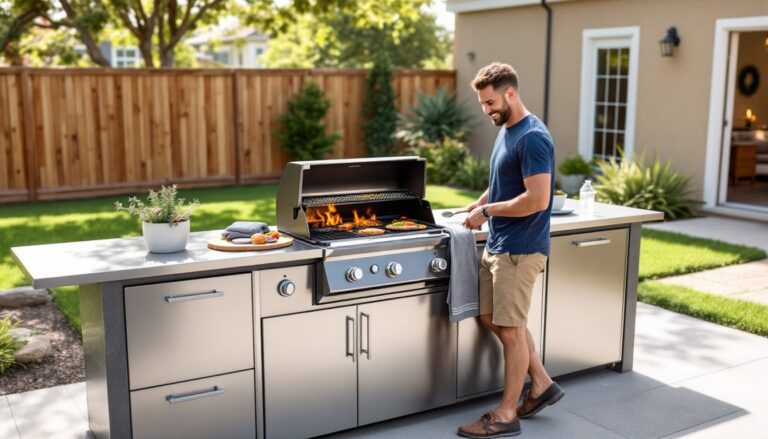
Decide between an island, L-shape, or U-shape configuration. Islands work well in open yards and allow access from multiple sides. L-shapes tuck into corners and make efficient use of smaller patios. U-shapes create an enclosed workspace but need significant square footage. For most DIYers, a simple island with the grill centered and 3 feet of counter space on each side provides enough room to work without overcomplicating the build.
Think about utilities early. Running a gas line from the house to a backyard island often requires trenching, which affects landscaping and adds cost. Electrical circuits need GFCI protection and weatherproof boxes. Water lines must be buried below the frost line in cold climates and include shutoff valves for winterization. These aren’t weekend projects, plan for permits and inspections before breaking ground.
Essential Appliances and Equipment to Include
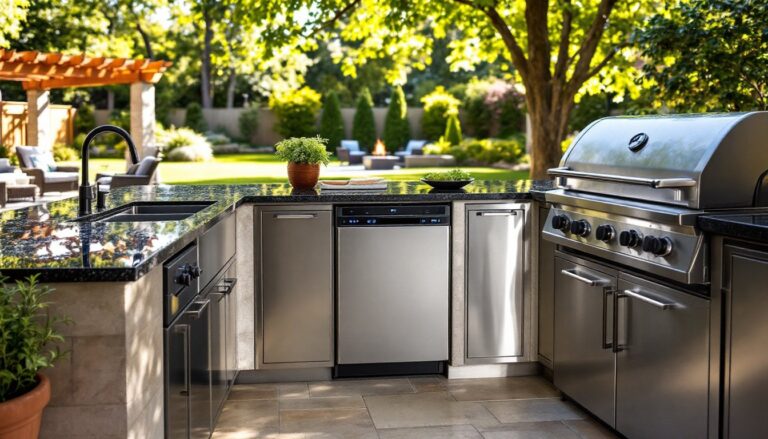
The built-in grill is the centerpiece. Look for stainless steel construction rated for outdoor use, grade 304 stainless resists rust better than lower grades. Standard grill widths run 30, 36, or 42 inches. A 36-inch model with at least three burners handles most tasks, from searing steaks to slow-roasting chicken. Consider infrared burners for high-heat searing or rotisserie kits if cooking whole birds regularly.
A side burner expands versatility. It allows simmering sauces, boiling corn, or heating side dishes without running back to the indoor stove. Single-burner units fit into a 14-inch cutout: dual burners need about 24 inches. They add function but aren’t mandatory, skip them if counter space is tight.
Include a refrigerator or cooler drawer to keep ingredients and drinks cold. Outdoor-rated refrigerators withstand temperature swings and humidity: indoor models fail quickly outside. A 24-inch undercounter fridge fits most island designs. Alternatively, an insulated drawer with a drain works for ice and beverages on a budget.
A sink with running water makes cleanup easier. A small 15 to 18-inch bar sink is adequate for rinsing vegetables and washing hands. Install a hot and cold mixer if the budget allows, cold-only taps are cheaper but less convenient. The sink needs a drain line, either tied to the house’s sewer or directed to a dry well if permitted locally.
Add a storage drawer or cabinet for utensils, propane igniters, and grill tools. Stainless steel doors resist corrosion better than painted steel. Integrated outdoor cooking and entertainment zones often include dedicated trash pullouts or cutting board slots for added convenience.
Choosing the Right Materials for Durability
Outdoor kitchens face sun, rain, snow, and temperature swings. Material choices determine whether the setup lasts five years or twenty-five.
The frame typically uses steel studs or concrete masonry units (CMU). Steel studs resist rot and insects but need proper waterproofing. CMU blocks provide a stable base for heavy countertops and stand up to moisture when properly sealed. Some builders use pressure-treated lumber for framing, but it requires careful detailing to prevent water infiltration around appliance cutouts.
Apply a weather-resistant barrier (WRB) over the frame before adding exterior cladding. Peel-and-stick membranes or fluid-applied waterproofing work well. This step prevents water from reaching the framing, skipping it leads to rust, rot, and appliance failure.
Exterior cladding options include stacked stone veneer, brick, stucco, or tile. Stone veneer installs over a metal lath and mortar scratch coat: it’s DIY-friendly but heavy, check that the foundation supports the weight. Brick offers a classic look but requires masonry skills. Stucco is durable and customizable with color but cracks if the substrate moves. Porcelain tile resists stains and cleans easily: use exterior-rated thin-set and grout.
Countertops and Surfaces
Granite and concrete dominate outdoor countertops. Granite slabs withstand heat, moisture, and UV exposure without fading. Expect to pay $50 to $100 per square foot installed, depending on color and edge detail. Concrete counters can be cast on-site or precast: they’re customizable and accept integral colors or aggregates. Seal concrete annually to prevent staining.
Tile countertops cost less, $15 to $40 per square foot for materials and installation, but grout lines collect dirt and need regular sealing. Porcelain tile rated for outdoor use resists freeze-thaw damage better than ceramic. Avoid natural stone tiles like limestone or travertine unless sealed thoroughly: they stain easily from grease and acidic foods.
Stainless steel counters are hygienic and heat-resistant but show scratches and fingerprints. They’re popular in commercial settings but less common in residential builds. Outdoor-rated laminate exists but doesn’t hold up as well as stone or tile under UV and moisture.
Whatever material chosen, ensure countertops overhang the base by 1 to 1.5 inches to shed water away from cabinet doors and drawers.
Utility Connections: Gas, Water, and Electricity
Outdoor kitchens need utilities, and running them correctly avoids safety hazards and code violations. Most jurisdictions require permits for gas, electrical, and plumbing work. Call for utility locates before digging.
Gas lines for built-in grills typically use black iron pipe or corrugated stainless steel tubing (CSST). Black iron is durable and code-compliant in most areas but requires threading and fitting skills. CSST is flexible and easier to snake through tight spaces but costs more and may not be allowed everywhere, check local codes. Size the line based on BTU demand: a grill with 60,000 BTUs generally needs at least a 1/2-inch line over short runs, 3/4-inch for longer distances. Always include a manual shutoff valve at the appliance and test all connections with soapy water for leaks before burying the line.
Electrical circuits must meet NEC standards. Install a dedicated 20-amp GFPI-protected circuit for receptacles. Outdoor outlets require weatherproof covers rated for in-use conditions (not just flat covers). Bury UF-rated cable in conduit at least 18 inches deep for埋地 runs, or use PVC conduit with THWN wire. If adding lighting, include a switch inside the house or a weatherproof timer box. Undercabinet LED strips rated for wet locations add task lighting without high energy draw.
Water lines should be Type L copper or PEX rated for outdoor use. Bury copper at least 12 inches deep in warm climates, deeper in areas with frost. PEX offers freeze resistance but still needs protection, install shutoff valves and drain points to winterize the system. Include a backflow preventer if connecting to potable water: most codes require it for outdoor hose bibs and sinks. Even in mild climates, consider draining the line before winter to prevent damage from unexpected freezes.
All utility work should be inspected before covering trenches or sealing walls. DIYers comfortable with basic plumbing and electrical can tackle some tasks, but gas line installation often requires a licensed professional depending on jurisdiction.
Storage Solutions and Organization
Outdoor kitchens need storage for tools, propane, charcoal, utensils, and cleaning supplies. Without it, trips back to the indoor kitchen multiply.
Stainless steel cabinets and drawers purpose-built for outdoor use resist rust and UV damage. They’re expensive, $200 to $600 per linear foot, but last. Hinges and drawer slides should be stainless or marine-grade to prevent corrosion. Many manufacturers offer modular units that fit standard cutout dimensions, simplifying installation.
Built-in storage can also be framed with the island structure. Use pressure-treated plywood for shelving and marine-grade polymer or aluminum doors. Line interiors with waterproof membrane to protect contents from condensation. Add ventilation holes near the top and bottom of enclosed spaces to prevent moisture buildup.
Include a designated space for propane tanks if using a gas grill with LP instead of natural gas. Tanks shouldn’t sit in fully enclosed cabinets, ventilate the compartment and keep the door louvered to allow gas to escape if a leak occurs. Some islands incorporate a slide-out tank drawer with a scale to monitor fuel levels.
Vertical storage like hooks or magnetic strips keeps frequently used tools within reach. Mount them on the backsplash or side walls. A pull-out trash drawer with a lid prevents pests from accessing waste and contains odors. Many designs include a cutting board that slides over a prep sink, freeing counter space when not in use.
Don’t overlook open shelving for items used daily. A shelf under the counter holds platters, serving bowls, or a charcoal chimney. Open storage dries quickly after rain and doesn’t trap moisture like closed cabinets.
Weather Protection and Shelter Options
An uncovered outdoor kitchen limits usability. Adding a roof or pergola extends the cooking season and protects appliances from the elements.
A solid roof provides the most protection. Extend the house roofline if the kitchen sits adjacent to the structure, matching pitch and materials for a cohesive look. Freestanding structures need their own framing, use 4×4 or 6×6 pressure-treated posts set in concrete footings below the frost line. Rafters and beams should meet local span tables: a 10×12-foot cover typically requires 2×6 rafters spaced 16 inches on center for most roofing materials. Attach metal roofing, asphalt shingles, or standing seam panels depending on budget and aesthetics. Include a slight slope, 1/4 inch per foot minimum, for drainage.
Pergolas offer partial shade and a lighter footprint. They don’t provide full rain protection but reduce sun exposure and define the space. Build with 2×6 or 2×8 rafters spaced 12 to 16 inches apart, supported by 4×4 posts. Add a retractable canopy or shade cloth for adjustable coverage. Homeowners focused on upscale backyard transformations often integrate lighting and fans into pergola beams.
Retractable awnings install above the cooking area and extend when needed. Motorized models offer convenience but cost more and require electrical hookup. Manual awnings work fine for smaller spaces. Choose solution-dyed acrylic fabric, it resists fading and mildew better than polyester.
If a full structure isn’t feasible, use appliance covers. High-quality covers made from UV-resistant, waterproof fabric protect grills and refrigerators when not in use. Covers aren’t a substitute for a roof but significantly extend appliance life in exposed locations.
Consider adding outdoor curtains or windbreaks on open sides. Canvas or Sunbrella fabric panels block wind, add privacy, and can be tied back when not needed. For more enclosed designs, professionals experienced in complex outdoor living installations sometimes integrate roll-down screens or glass panels for year-round use.