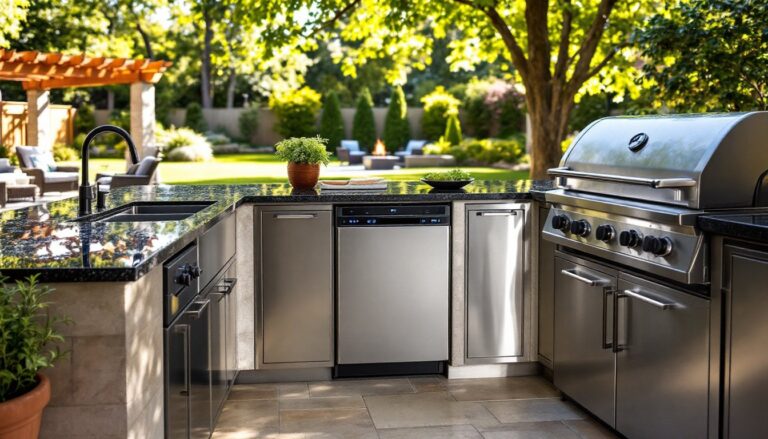
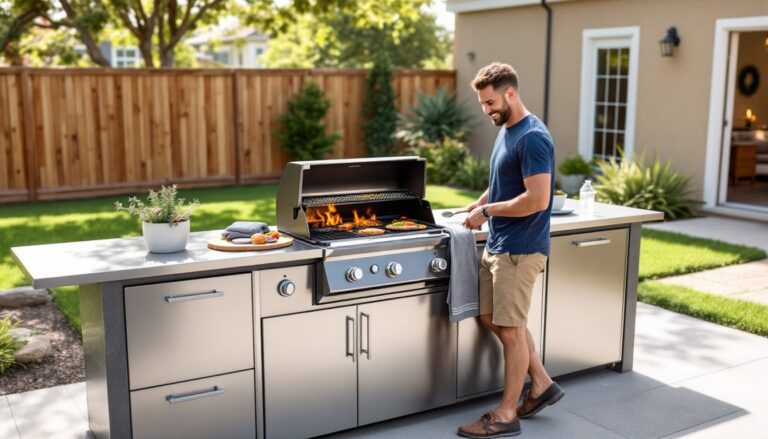
An outdoor kitchen patio transforms the way homeowners cook, entertain, and enjoy their yards. No more running back and forth between the grill and the indoor kitchen, everything lives in one convenient, open-air space. From built-in grills and refrigerators to counters and dining zones, a well-designed outdoor kitchen extends living space and adds serious value to a property. Whether planning a full build or a phased project, understanding the essentials, appliances, materials, layout, and budget, helps turn ambitious ideas into functional reality.
Table of Contents
ToggleKey Takeaways
- An outdoor kitchen patio increases home value by 70–80% at resale while creating a dedicated zone for cooking, entertaining, and dining without indoor interruptions.
- Essential appliances like built-in grills, side burners, outdoor-rated refrigerators, and sinks require proper utility connections, adequate counter space (at least 24–48 inches on each side), and weatherproof storage solutions.
- Popular outdoor kitchen patio layouts include L-shaped, galley, island, and U-shaped designs, each requiring compliance with local codes for clearances (10 feet from combustible structures, 48 inches in front of cooking surfaces) and proper ventilation.
- Durable materials matter for longevity: choose granite or concrete for countertops, stainless steel or marine-grade polymer for cabinetry, and sealed natural stone or porcelain pavers for flooring to withstand heat, moisture, and UV exposure.
- Budget ranges from $3,000–$7,000 for entry-level setups to $30,000–$100,000+ for luxury builds, with costs driven by appliances, countertops, cabinetry, utilities, and professional labor (30–50% of total cost).
- Phasing the project across multiple seasons—starting with a grill and basic counter, then adding appliances and shade structures—spreads costs while allowing time to plan and prepare utility lines before finishing the hardscape.
Why Add an Outdoor Kitchen to Your Patio?
An outdoor kitchen patio does more than house a grill. It creates a dedicated zone for cooking, socializing, and eating outside, all without tracking charcoal or grease through the house.
Increased home value tops the list of practical benefits. Outdoor kitchens appeal to buyers in warm climates and markets where outdoor living ranks high. Real estate professionals note that well-executed projects often recoup 70–80% of their cost at resale, especially when paired with quality hardscaping and landscaping.
Extended living space makes yards more functional. Instead of a seldom-used patio slab, an outdoor kitchen encourages year-round use in mild climates and seasonal gatherings in colder regions. Homeowners gain square footage without adding to the home’s roof line or foundation.
Better entertaining flow keeps hosts outdoors with guests rather than isolated inside. Built-in bars, mini-fridges, and ample counter space let cooks prep, serve, and clean up without constant trips to the main kitchen. For families who grill frequently or host large gatherings, the convenience factor alone justifies the investment.
Outdoor kitchens also reduce indoor heat and odors during summer months. Cooking proteins and vegetables over high heat outdoors keeps the air conditioning from working overtime and prevents lingering smells in the house.
Essential Elements of an Outdoor Kitchen Patio
Cooking Appliances and Stations
Built-in grills anchor most outdoor kitchens. Gas models with multiple burners (typically 30–48 inches wide) offer precise temperature control and quick startup. Propane works anywhere: natural gas requires a dedicated line run by a licensed plumber or gas fitter.
Charcoal and pellet grills deliver distinct flavors but demand more hands-on management and longer heat-up times. Some homeowners install both gas and charcoal setups for flexibility.
Side burners expand cooking options, boil corn, simmer sauces, or sauté vegetables while proteins cook on the main grill. Look for burners rated at least 12,000 BTU for responsive heat.
Pizza ovens and smokers appeal to serious cooks. Wood-fired ovens reach 700–900°F and require solid foundations (check local codes for clearances and chimney height). Smokers need ventilation and space for wood or pellet storage.
Outdoor-rated refrigerators and ice makers keep ingredients and drinks cold without indoor trips. Standard indoor units fail quickly outdoors due to moisture, temperature swings, and UV exposure. Purpose-built models use sealed components and weatherproof housings. A 24-inch undercounter fridge typically holds enough for a weekend cookout.
Sinks require hot and cold water lines plus drainage. Gravity drains work if the patio slopes toward an existing sewer or septic line: otherwise, install a gray-water pump system. Many jurisdictions require backflow preventers on outdoor water lines, check local plumbing codes before roughing in.
Counter Space and Storage Solutions
Adequate counter space prevents bottlenecks during meal prep. Plan for at least 24 inches of landing space on each side of the grill, plus an additional 36–48 inches for plating, cutting, and staging ingredients. Homeowners working toward luxury outdoor living spaces often allocate extra counter length for buffet-style service.
Materials matter. Granite and concrete withstand heat, moisture, and UV without warping. Tile offers design flexibility but grout lines collect grime, seal them annually. Avoid laminate and unsealed wood: both degrade quickly outdoors.
Storage cabinets keep utensils, charcoal, propane tanks, and cleaning supplies organized and out of sight. Use stainless steel or marine-grade polymer doors and frames, standard wood cabinets rot within a few seasons. Soft-close hinges rated for outdoor use resist corrosion and hold up under humidity.
Trash and recycling compartments streamline cleanup. A pull-out dual bin (one for waste, one for recyclables) fits under most counter sections. Line bins with heavy-duty bags and rinse them regularly to prevent odors and pests.
Overhead storage or a separate cabinet for paper goods, spices, and non-perishables reduces indoor trips. Just remember: anything stored outside should tolerate temperature swings and occasional moisture.
Design Layouts That Maximize Your Patio Space
L-shaped layouts work well on medium to large patios. Position the grill at the corner, with counters and storage extending along two walls. This configuration creates a natural work triangle (grill, sink, fridge) and leaves the front open for seating or traffic flow.
Galley or straight-line layouts suit narrow patios or areas against a house wall. Line up the grill, counter, and appliances in a single run. This setup minimizes plumbing and gas line runs but requires careful spacing, allow at least 48 inches of clearance between the cooking zone and any seating area.
Island layouts offer 360-degree access and work best on large, open patios. Place the grill in the center with counters wrapping around. Add bar seating on one or two sides to keep guests engaged without crowding the cook. Island designs demand more infrastructure (underground utility lines, drainage) and take up significant square footage.
U-shaped layouts maximize counter and storage in a compact footprint. Three walls of cabinetry create an enclosed workspace, ideal for serious cooks who want everything within arm’s reach. Leave at least 60 inches of clearance in the center to avoid a cramped feel.
Many custom outdoor living projects blend layout types, an L-shape for the main cooking zone, plus a separate bar or pizza oven island a few feet away.
Clearances and codes vary by jurisdiction, but common rules include:
- 10 feet minimum between grills and combustible structures (wood siding, eaves, fences)
- 48 inches of clearance in front of cooking surfaces
- 36 inches around islands for comfortable passage
- Ventilation: open-air designs generally comply, but covered patios may require vent hoods or fire suppression systems
Always pull permits for gas, electric, and plumbing work. Inspectors verify safe clearances, proper venting, and code-compliant installations.
Materials and Finishes for Durability and Style
Countertops face the harshest conditions, heat, UV, rain, and freeze-thaw cycles in cold climates.
- Granite: Heat-resistant, low-maintenance, and widely available. Seal annually to prevent staining.
- Concrete: Custom-poured or precast slabs offer a modern look. Seal with a penetrating or topical sealer: reseal every 1–2 years depending on climate.
- Tile: Ceramic or porcelain tile resists heat and moisture, but grout requires regular sealing. Use large-format tiles to minimize grout lines.
- Stainless steel: Commercial kitchens use it for a reason, it’s durable, sanitary, and heatproof. Brushed finishes hide fingerprints better than polished.
Cabinetry and frames need weatherproof construction.
- Stainless steel: Industry standard for outdoor kitchens. Marine-grade 304 stainless resists rust in humid or coastal areas. Grades 430 and 439 cost less but corrode faster near saltwater.
- Marine-grade polymer: High-density polyethylene (HDPE) won’t rot, warp, or rust. It’s lighter than metal and available in various colors, though it lacks the polished look of stainless.
- Masonry: Concrete block, stone, or brick veneers create permanent structures. Frame walls with rebar and fill cells with concrete for stability. Finish with stucco, stone veneer, or tile to match the home’s exterior.
Flooring options depend on existing hardscape.
- Concrete pavers: Durable, affordable, and easy to replace if one cracks. Use polymeric sand in joints to resist weeds and washout.
- Natural stone: Bluestone, flagstone, and travertine offer upscale aesthetics but cost more. Some stones (limestone, sandstone) stain easily: seal them before use.
- Poured concrete: The most budget-friendly option. Add a broom finish for slip resistance or stamp patterns for visual interest. Seal every 2–3 years to prevent cracking and staining.
- Porcelain pavers: Engineered for outdoor use, these resist stains, scratches, and temperature swings. They cost more than concrete but require almost no maintenance.
For inspiration on material combinations, platforms like Houzz showcase thousands of completed projects with filterable galleries by style and budget.
Roofing and shade structures extend usability. Pergolas, pavilions, and louvered roofs provide partial or full coverage. If enclosing the kitchen with a solid roof, local codes may reclassify the space, requiring additional structural permits, electrical upgrades, or fire suppression systems.
Budget Planning for Your Outdoor Kitchen Patio Project
Ballpark costs vary widely based on size, appliances, and finishes. Entry-level outdoor kitchens start around $3,000–$7,000 for a simple setup: a drop-in grill, small counter, and basic storage on an existing patio.
Mid-range projects run $10,000–$25,000 and typically include a built-in grill, side burner, mini-fridge, sink, ample counter space, and custom cabinetry. Many pro fit outdoor living installations fall into this tier.
High-end builds exceed $30,000 and feature premium appliances (48-inch grills, pizza ovens, kegerators), natural stone counters, extensive cabinetry, upgraded hardscaping, and covered structures. Luxury projects can reach $50,000–$100,000+ depending on site prep, utilities, and finishes.
Cost drivers include:
- Appliances: A quality built-in grill costs $1,500–$5,000+: outdoor refrigerators run $800–$2,500: pizza ovens start around $2,000 for prefab models, $5,000+ for custom masonry.
- Countertops: Granite averages $50–$100 per square foot installed: concrete $75–$150: tile $20–$50.
- Cabinetry: Stainless frames and doors run $150–$300 per linear foot: polymer cabinets cost slightly less.
- Utilities: Running gas lines costs $500–$2,000 depending on distance from the meter: electric circuits $300–$1,500: plumbing $800–$3,000 for sink and drain.
- Hardscaping: Expanding or resurfacing the patio adds $10–$30 per square foot for pavers, $15–$40 for natural stone.
- Permits and labor: Permit fees typically range $100–$500: professional installation (masonry, plumbing, gas, electric) can account for 30–50% of the total project cost.
Phasing the project spreads costs over multiple seasons. Start with a standalone grill and basic counter, then add appliances, storage, and shade structures as budget allows. Roughing in utility lines during the first phase prevents tearing up finished hardscape later.
DIY vs. professional work depends on skill level and local codes. Homeowners comfortable with carpentry can frame and finish cabinetry, lay pavers, and pour concrete counters using precast kits. Licensed trades (plumbers, electricians, gas fitters) should handle utility connections, most jurisdictions require permits and inspections for this work.
Resources like Gardenista’s outdoor kitchen design guide offer planning checklists and design inspiration, while sites such as Homedit provide photo galleries of completed projects to help refine style preferences and set realistic expectations.
Maintenance costs add up over time. Budget for annual sealing (counters, grout, pavers), appliance servicing (burner cleaning, igniter replacement), and cover replacements. Stainless steel requires regular cleaning with non-abrasive products to prevent water spots and corrosion.
Conclusion:
An outdoor kitchen patio delivers measurable benefits, from increased home value to expanded living space, when planned and executed with attention to layout, materials, and code compliance. Start by defining must-have appliances, choose durable finishes suited to the local climate, and phase the build to match budget and skill level. With proper preparation and realistic expectations, homeowners can create a functional, long-lasting outdoor cooking and entertaining space.