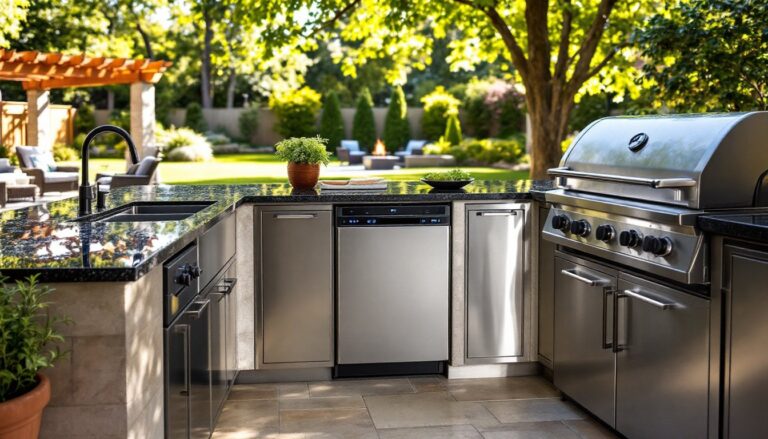
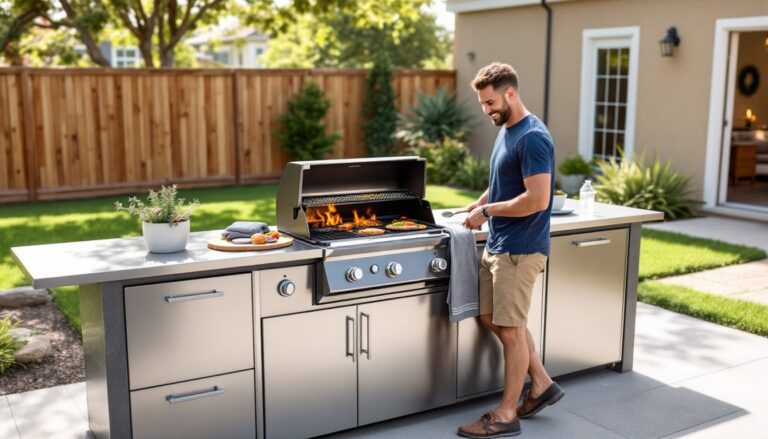
If you’ve built or are planning an outdoor kitchen, you know the drill: grilling burgers, searing steaks, and then hauling dirty dishes back inside through the sliding door. It’s a hassle that breaks the flow of outdoor entertaining and leaves your indoor kitchen a mess. An outdoor dishwasher solves that problem by letting you prep, cook, eat, and clean entirely outside. This isn’t a luxury add-on anymore, it’s a practical appliance that makes outdoor living spaces functional year-round. Whether you’re hosting weekly cookouts or just want to streamline cleanup after family dinners on the patio, understanding your options and installation requirements will help you choose the right unit.
Table of Contents
ToggleKey Takeaways
- An outdoor dishwasher eliminates the hassle of hauling dirty dishes inside and makes outdoor entertaining more convenient, while also potentially increasing property value by 70–80% at resale.
- Outdoor dishwashers require weatherized construction with marine-grade stainless steel, sealed controls, and NEMA 3 or NEMA 4 ratings to withstand temperature swings, humidity, and UV exposure.
- Installation requires a dedicated 15-amp GFCI circuit, a 3/8-inch hot water line, proper drainage with a high loop, and typically costs $300–$800 for plumbing and electrical work (plus permits and inspections).
- Key features to prioritize include stainless steel interiors, ENERGY STAR efficiency, sealed capacitive touch controls, adjustable racks, and noise levels under 50 dBA to avoid disrupting outdoor gatherings.
- Regular maintenance—including weekly filter cleaning, quarterly seal inspection, descaling every 3–6 months, and complete winterization in freezing climates—extends the lifespan of your outdoor dishwasher to 10–15 years.
What Is an Outdoor Dishwasher and Why Do You Need One?
An outdoor dishwasher is a weatherized appliance designed to withstand temperature swings, humidity, and UV exposure that would ruin a standard indoor unit. These machines feature stainless steel exteriors and corrosion-resistant internal components rated for outdoor use. Most models are built to NEMA 3 or NEMA 4 standards, meaning they can handle rain, snow, and hose spray without short-circuiting.
Why install one? First, convenience. Nobody wants to interrupt a backyard gathering to shuttle dishes inside. Second, hygiene. Dirty plates stacked on outdoor counters attract pests. Third, property value. A fully equipped outdoor kitchen with a dishwasher appeals to buyers in markets where outdoor living is prized. Expect a well-designed outdoor kitchen to return 70–80% of its cost at resale, according to Remodeling Magazine’s Cost vs. Value report.
Outdoor dishwashers aren’t just for high-end setups. If you cook outside more than a few times a month, the time saved on cleanup adds up. And unlike portable camping dishwashers, these units connect to permanent water and electrical lines, delivering the same cleaning power as your indoor machine.
Types of Outdoor Dishwashers for Every Backyard Setup
Built-In Outdoor Dishwashers
Built-in models are the gold standard for permanent outdoor kitchens. They slide into a base cabinet between your grill and sink, just like an indoor unit. Standard dimensions are 24 inches wide, matching most outdoor cabinetry. These dishwashers require a dedicated 120V GFCI-protected circuit (consult a licensed electrician) and a hot water supply line with a shut-off valve.
Materials matter here. Look for marine-grade 304 or 316 stainless steel construction, both inside and out. The control panel should have a sealed membrane or capacitive touch interface to resist moisture intrusion. Bosch, Danby, and EdgeStar offer models explicitly rated for outdoor use, though “outdoor rated” often means you need a cabinet or cover for full weather protection.
Built-ins require permanent plumbing and electrical, so factor in installation costs. Expect to pay $300–$800 for a licensed plumber and electrician if you’re tapping into existing lines within 20 feet. If you’re running new lines from the house, that number doubles.
Portable and Freestanding Options
Portable dishwashers are countertop or wheeled units that connect to a sink faucet with a quick-connect adapter. While not truly “outdoor rated,” some homeowners use them seasonally under a pergola or covered patio. These models store easily in a garage or shed during winter.
Freestanding outdoor dishwashers are less common but do exist, think of them as portable units housed in weatherproof stainless cabinets. They’re pricier than built-ins ($1,200–$2,500) but don’t require custom cabinetry. They still need electrical and plumbing connections, but the hookup is simpler since the cabinet and machine are one unit.
If you’re renting or not ready to commit to a built-in, a heavy-duty portable model covered with a waterproof tarp can work for a season or two. Just don’t leave it exposed through winter, freezing temps will crack internal hoses and pumps.
Installation Considerations: What You Need to Know Before Buying
Before you buy, confirm three things: water supply, drainage, and power. Outdoor dishwashers need a 3/8-inch hot water line (minimum 120°F at the valve) and a drain connection. Most installations tap into the outdoor sink’s supply and P-trap. If your outdoor kitchen doesn’t have a sink yet, you’ll need to run both water and waste lines from the house or an exterior utility wall.
Drainage is non-negotiable. The dishwasher drain hose must rise to a high loop (above the bottom of the sink) before dropping into the P-trap to prevent backflow. Some jurisdictions require an air gap fitting on the countertop. Check your local plumbing code before roughing in lines.
Electrically, you’ll need a dedicated 15-amp GFCI circuit. Outdoor receptacles must be weatherproof with an in-use cover (NEC 210.8). If your outdoor kitchen island is more than 6 feet from the house, plan to trench conduit underground. Use Schedule 40 PVC buried at least 18 inches deep (check local code, some areas require 24 inches). Hire a licensed electrician for this. DIY electrical work outdoors is a leading cause of inspector failures and insurance headaches.
Seasonal use matters, too. If you live where temps drop below 32°F, you’ll need to winterize the unit: disconnect water, drain all hoses, and run a rinse cycle with RV antifreeze. Many homeowners facing kitchen organization challenges appreciate designing for seasonal flexibility from the start. Some installers add a shut-off valve with a drain-down port to simplify this process.
Permits: Most municipalities require a plumbing and electrical permit for permanent outdoor appliance installation. Budget $150–$400 in permit fees and factor in inspection timelines.
Top Features to Look for in an Outdoor Dishwasher
Stainless steel construction isn’t optional, it’s essential. Powder-coated or painted exteriors will flake and rust within a year. Interiors should also be stainless, not plastic, to handle UV exposure and high heat.
Look for sealed controls. Capacitive touch or fully sealed membrane panels resist water infiltration better than mechanical buttons. Avoid models with exposed dials or vents on the front panel.
Energy efficiency matters if you’re running the dishwasher daily. ENERGY STAR-rated models use about 3 gallons per cycle versus 6+ gallons for older units. Over a summer season, that’s thousands of gallons saved. Some experts who’ve tested outdoor dishwashers emphasize water efficiency as a top criterion.
Wash cycles: At minimum, you want a heavy-duty cycle for greasy grill grates and a quick rinse for lightly soiled plates. Sanitize cycles that hit 150°F+ are ideal for outdoor use where bugs and raw meat residue are common.
Noise level: Outdoor dishwashers rated under 50 dBA won’t disrupt conversation on the patio. Insulation adds weight and cost, but it’s worth it if your seating area is within 10 feet of the appliance.
Adjustable racks increase flexibility. Look for fold-down tines and removable silverware baskets. Outdoor kitchens often handle oversized platters and cast-iron cookware that don’t fit standard indoor racks.
Maintenance Tips to Keep Your Outdoor Dishwasher Running Year-Round
Start every season by cleaning the filter assembly. Outdoor dishwashers pick up more grit, charcoal dust, and grease than indoor units. Pull the lower rack, twist out the cylindrical filter, and rinse it under hot water. Do this weekly during peak use.
Inspect door seals quarterly. UV exposure degrades rubber gaskets faster outdoors. If you see cracks or stiffness, replace the seal, it’s a $20 part that prevents leaks and maintains wash pressure. Apply a thin coat of food-grade silicone grease to keep seals pliable.
Descale every 3–6 months if you have hard water. Run an empty cycle with a cup of white vinegar or a commercial descaling solution. Mineral buildup clogs spray arms and reduces cleaning performance. Homeowners pursuing design upgrades often overlook ongoing appliance care, but it’s critical for longevity.
Before winter, winterize the unit if temperatures drop below freezing. Turn off the water supply, disconnect the inlet hose, and let it drain completely. Remove the drain hose and blow out any remaining water with an air compressor (set to 30 psi max). Pour a cup of RV antifreeze into the sump and run a short drain cycle to distribute it through the pump.
Cover the dishwasher with a breathable, waterproof cover during the off-season. Vinyl covers trap condensation and promote rust: look for marine-grade polyester with ventilation panels.
Safety note: Always disconnect power at the breaker before performing any maintenance that involves removing panels or accessing internal components. Outdoor GFCI circuits can trip unexpectedly, but never assume the unit is de-energized without testing.
Clean spray arms monthly. Unscrew them (most twist off by hand) and use a toothpick to clear clogged spray holes. Hard water and grease create stubborn blockages that reduce wash efficiency.
Check hose connections annually. Stainless braided supply lines are more durable than rubber and worth the upgrade. Look for kinks, corrosion at the fittings, or signs of rodent damage if the unit is installed near landscaping.
With proper care, a quality outdoor dishwasher will deliver 10–15 years of service. Skimp on maintenance, and you’ll be shopping for a replacement in five.