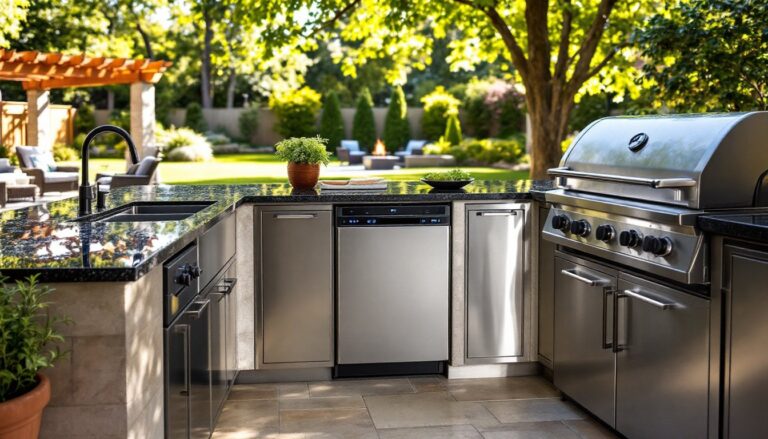
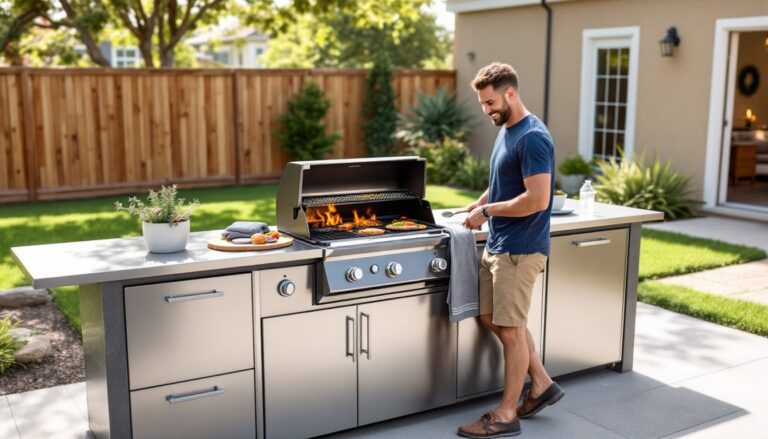
Setting up a functional outdoor camping kitchen transforms any camping trip from survivalist eating to genuinely enjoying hot meals in the wild. Whether someone’s cooking at a developed campground, a remote backcountry site, or even in their own backyard, a well-organized camping kitchen makes meal prep faster, cleaner, and safer. This guide walks through everything needed to build, choose, or upgrade a camping kitchen setup that actually works in real-world conditions, no Instagram-perfect setups that collapse the first time the wind picks up.
Table of Contents
ToggleKey Takeaways
- A functional outdoor camping kitchen with organized zones for cooking, storage, and cleanup transforms meal prep into an efficient and enjoyable experience rather than a survivalist scramble.
- Essential components include a two-burner propane stove, stable prep surface, quality cooler, water system, and proper lighting—each chosen based on camping style and group size.
- DIY camping kitchen builds like chuck boxes, folding tables, and modular crate systems cost $50–150 and can be customized to match your exact gear and cooking habits.
- Proper organization using labeled containers, nested storage, and a zone-based system minimizes setup time and reduces the risk of forgotten items or cross-contamination.
- Safety protocols—including fuel ventilation, stable cooking surfaces, cooler temperature monitoring, and wildlife protection—are non-negotiable to prevent injuries and gear damage in outdoor environments.
What Is an Outdoor Camping Kitchen?
An outdoor camping kitchen is a portable or semi-permanent cooking and food prep station designed for use outside traditional home kitchens. It ranges from a basic folding table with a camp stove to elaborate setups with multiple burners, prep surfaces, storage compartments, and water systems.
The core difference between a camping kitchen and just tossing a cooler and stove in the trunk: organization and workflow. A proper setup keeps cooking gear, utensils, food storage, and cleanup supplies in designated spots, reducing the time spent digging through bins and the risk of cross-contamination between raw and cooked food.
Camping kitchens fall into three broad categories: car camping setups (bulkier, more features, designed for vehicle access), backpacking kitchens (ultralight, minimal gear), and basecamp or tailgate stations (semi-permanent structures that might include grills, multiple cook surfaces, and even solar power). Each serves different needs, and most experienced campers eventually own gear for multiple scenarios.
Essential Components of a Camping Kitchen Setup
Every functional camping kitchen needs a few core elements, regardless of how elaborate the overall setup becomes.
Cooking Surface: A camp stove is the backbone. Two-burner propane stoves (like the classic Coleman models) provide enough heat for most meals and run on widely available 1-lb propane canisters or refillable 20-lb tanks with an adapter hose. Butane stoves work well in warm weather but struggle below 40°F. For larger groups, adding a portable grill or charcoal setup expands cooking capacity.
Prep and Serving Area: A stable work surface prevents knife accidents and makes chopping, mixing, and plating safer. Folding camp tables with aluminum or bamboo tops work well, look for models with adjustable legs to level on uneven ground. Some integrated camping kitchen units include fold-out prep wings and built-in windscreens.
Food Storage: A quality cooler keeps perishables safe. For trips longer than two days, consider a dual-zone cooler (one for drinks that get opened frequently, one for food that stays sealed). Bear-resistant containers or lockers are mandatory in many national parks and wilderness areas, check local regulations before heading out.
Water System: At minimum, bring collapsible water jugs (5-7 gallon capacity). Upgraded setups use gravity-fed wash stations with dual basins for washing and rinsing, or portable sinks with foot pumps. Graywater must be disposed of properly, never dump soapy water near streams or lakes.
Cleanup Supplies: Biodegradable dish soap, scrub brushes, drying racks, and trash/recycling bags. A small wash basin or collapsible bucket speeds up cleanup. Pack separate sponges for dishes and surfaces to avoid spreading bacteria.
Lighting: Hands-free lighting matters when cooking after dark. LED lanterns with adjustable brightness, headlamps, and clip-on task lights all serve different purposes. Solar-rechargeable or USB-powered options reduce battery waste.
How to Choose the Right Camping Kitchen for Your Needs
Selecting gear depends on the camping style, group size, and available storage space.
For Car Camping and RV Use: Weight and pack size matter less than durability and features. Look for camp kitchens with enclosed storage cabinets to keep dust and insects out, integrated utensil hooks, and built-in windscreens. Aluminum-frame units with 600D polyester panels hold up to UV exposure and moisture better than cheaper materials. If someone’s cooking for four or more people regularly, investing in a setup with multiple prep surfaces and storage cubbies pays off in reduced meal prep time.
For Backpacking and Minimalist Camping: Every ounce counts. An ultralight backpacking kitchen might consist of a compact canister stove (weighing 2-4 oz), a titanium pot, a spork, and a small fuel canister. Skip the table, a flat rock or log works fine for a cook surface. Focus on multi-use items: a bandana serves as potholder, towel, and strainer.
For Base Camp or Extended Stays: Semi-permanent setups benefit from sturdier construction. Consider a chuck box (a lidded cabinet that opens into a kitchen workspace) or a custom-built camp kitchen box. These often feature removable cutting boards, dedicated spice racks, and compartments sized for specific cookware. Many experienced campers build their own using plywood, piano hinges, and folding legs, it’s a straightforward weekend project.
Group Size Matters: A solo camper can get by with a single burner and minimal prep space. Families or groups need at least two burners, a larger cooler (50+ quart capacity), and enough prep surface to avoid bottlenecking meal assembly. Designating one person as “camp cook” per meal streamlines workflow and prevents too many hands crowding the kitchen.
DIY Outdoor Camping Kitchen Ideas
Building a custom camping kitchen lets someone tailor storage, dimensions, and features to their exact gear and cooking habits. Here are proven DIY approaches.
Chuck Box Build: A classic camp kitchen box design uses a 2′ x 3′ x 1′ plywood shell with a hinged front that drops down to create a work surface. Inside, build dividers to hold plates, utensils, spices, and cookware. Add a towel bar on one side and hooks for hanging tools. Use 1/2-inch plywood for the main structure and 1/4-inch for interior dividers to save weight. Seal all edges with exterior-grade polyurethane to prevent water damage. Piano hinges and barrel bolts keep the lid secure during transport. Total material cost runs $50-80, and the project takes about 6-8 hours with basic carpentry skills.
Folding Camp Kitchen Table: Cut two 2′ x 4′ sections of 3/4-inch plywood and connect them with continuous hinges to create a bi-fold table. Attach four 28-inch adjustable folding legs (available at hardware stores for $8-12 per pair). Add a carrying handle to one edge. For extra utility, mount a paper towel holder on one end and a utensil caddy made from PVC pipe sections on the other. Apply a few coats of weatherproof stain or paint. This setup folds flat to about 2′ x 4′ x 4″ for transport.
Tailgate Kitchen Station: For truck campers, build a slide-out drawer system that mounts in the truck bed. Use drawer slides rated for 100+ lbs and construct a box frame from 2×4 lumber that fits the truck bed width. Inside the drawer, install dividers for a stove, cookware, and supplies. When extended, the drawer creates an accessible work surface at tailgate height. Add a removable cutting board that spans the tailgate when the drawer is pulled out. This approach is popular with overland and outdoor recreation enthusiasts who need outdoor equipment access without setting up a separate kitchen area.
Modular Crate System: Repurpose sturdy plastic milk crates or build wooden boxes sized to stack and nest. One crate holds cooking gear, another holds dishes and utensils, a third holds dry goods and spices. Add a removable plywood top that spans two crates to create an instant prep surface. This system adapts to different group sizes, bring more crates for bigger trips, fewer for solo adventures.
Safety Note: Any DIY camping kitchen should keep the cooking surface stable and at a safe working height (28-34 inches). Never place a stove on the ground or on an unstable surface. Ensure the structure can support the weight of filled water jugs, coolers, and cookware without tipping.
Organization and Storage Tips for Maximum Efficiency
A well-organized camping kitchen eliminates wasted time and reduces the chance of forgetting critical items.
Zone System: Group gear by function, cooking equipment in one container, serving/eating supplies in another, cleanup gear in a third. Label containers clearly. This approach mirrors professional kitchen organization and makes setup and teardown faster. Those planning permanent outdoor cooking spaces at home can apply similar zoning concepts on a larger scale.
Nested Storage: Stack pots and pans with lids, and fill empty space inside larger pots with smaller items like spice containers, lighters, or utensils. Wrap nested items in dish towels to prevent rattling and protect non-stick coatings.
Spice Kit: Pre-measure spices into small containers or use a multi-compartment spice box. Skip bringing full-size bottles, they take up valuable space and add weight. A basic camping spice kit includes salt, pepper, garlic powder, chili powder, and a multi-purpose seasoning blend.
Meal Planning: Plan meals before the trip and prep ingredients at home. Pre-chop vegetables, pre-measure dry ingredients, and freeze liquids like marinated meat (they’ll thaw during the day and help keep the cooler cold). Store each meal’s ingredients in separate labeled bags.
Pegboard Organization: For basecamp setups or permanent installations, mount a small pegboard to the inside of a chuck box lid or cabinet door. Hang frequently used tools like spatulas, tongs, and can openers where they’re visible and accessible. This keeps them off the prep surface and easy to grab while cooking.
Trash Management: Bring a collapsible trash can or designate a specific bag for trash. Line it with a heavy-duty trash bag. In bear country, store all trash in the same containers or lockers as food. Keep a separate bag for recyclables if the campground has recycling facilities.
Safety and Maintenance Best Practices
Outdoor cooking introduces specific hazards that don’t exist in a home kitchen. Taking precautions prevents injuries and gear damage.
Fuel Safety: Always operate propane or butane stoves in well-ventilated areas, never inside a tent or enclosed vehicle. Check fuel connections for leaks using soapy water (bubbles indicate a leak). Store fuel canisters upright, away from heat sources, and never leave them in direct sunlight for extended periods. Carry a fire extinguisher rated for grease fires (Class B) on car camping trips.
Stable Cooking Surface: Set up the stove on level, non-flammable surfaces away from tent walls, overhanging branches, and dry vegetation. Keep a 3-foot clearance on all sides. Use a flame-resistant mat or metal tray under the stove to protect the ground surface and catch spills.
Food Safety: Maintain cooler temperatures below 40°F by limiting how often it’s opened, keeping it in shade, and replenishing ice as needed. Use a refrigerator thermometer to monitor temperature. Cook meat to safe internal temperatures (165°F for poultry, 160°F for ground meat, 145°F for whole cuts of beef or pork). Pack a small instant-read thermometer.
Water Treatment: If using water from streams, lakes, or questionable sources, treat it before use. Boiling for 1 minute (3 minutes above 6,500 feet elevation) kills pathogens. Alternatively, use a water filter rated for bacteria and protozoa (0.1-0.2 micron filter) or purification tablets. Many camping guides on sites like Better Homes & Gardens cover water safety in depth for different camping scenarios.
Wildlife Protection: In areas with bears or other wildlife, store all food, toiletries, and scented items in bear canisters, bear lockers, or hung bear bags at least 100 yards from camp and 12 feet off the ground. Never keep food in tents. Clean cooking surfaces and utensils thoroughly to remove food residue and odors.
Gear Maintenance: After each trip, clean and dry all equipment before storing. Inspect stove burners for blockages and clean with compressed air. Check fuel lines for cracks or wear. Re-season cast iron cookware and inspect tent poles, zippers, and seams for damage. Proper maintenance extends gear life and prevents mid-trip failures.
Personal Protective Equipment: Wear heat-resistant gloves when handling hot cookware. Keep a first aid kit stocked with burn cream, bandages, and pain relievers. If building a DIY kitchen setup, wear safety glasses when cutting materials and work gloves when handling rough lumber or metal edges.
Conclusion
A well-planned camping kitchen setup makes outdoor cooking efficient and enjoyable rather than a frustrating scramble. Whether buying a commercial unit, building a custom chuck box, or keeping things minimal with ultralight gear, the key is matching the system to the actual camping style and group needs. Start with the essentials, add organization, follow safety protocols, and adjust based on what works in the field.