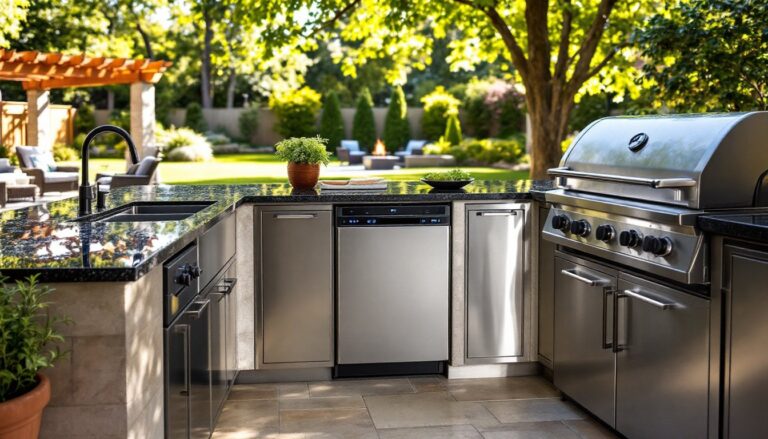
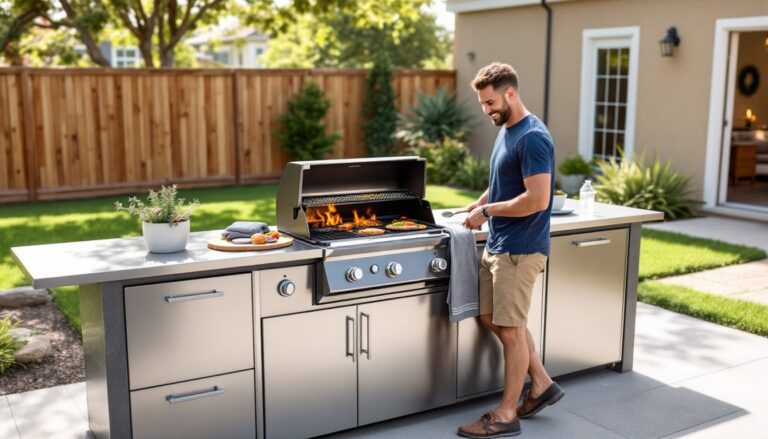
Building an outdoor kitchen doesn’t mean starting from scratch with concrete blocks and rebar. Frame kits have changed the game, offering pre-engineered structures that take the guesswork out of layout and structural support. These systems provide the skeleton for countertops, grills, and storage, basically everything needed for a functional cooking space without the trial-and-error of traditional masonry. Whether someone’s an experienced DIYer or tackling their first big outdoor project, understanding what’s available and how these kits work can save weeks of labor and costly mistakes.
Table of Contents
ToggleKey Takeaways
- Outdoor kitchen frame kits reduce installation time from weeks to days by providing pre-engineered structures with pre-cut members and mounting brackets, eliminating the need for extensive masonry or carpentry skills.
- Quality frame kits are engineered to handle heavy countertops (18–20 lbs per square foot) and appliance loads, with load rating documentation that ensures structural reliability for granite, concrete, and stone finishes.
- Modular outdoor kitchen frame kits offer quick assembly for standard layouts, while custom systems provide flexibility for curved bars and multi-level islands, with hybrid options available to spread costs across multiple seasons.
- Corrosion resistance is critical: choose powder-coated galvanized steel (G90 minimum) or marine-grade aluminum with stainless steel hardware, especially in coastal or humid climates, to prevent rust and extend lifespan.
- Proper foundation preparation, drainage, and permit compliance are non-negotiable; setting a frame on dirt guarantees failure, while skipping permits creates liability and complicates future home sales.
- A complete outdoor kitchen typically costs $8,000–$20,000 installed, but phasing the build, shopping off-season, and DIYing finish work can significantly reduce expenses while protecting your investment.
What Are Outdoor Kitchen Frame Kits and Why Choose Them?
Outdoor kitchen frame kits are prefabricated metal or composite structures designed to support countertops, appliances, and cabinetry in exterior cooking spaces. Most use galvanized steel or marine-grade aluminum frames rated for outdoor exposure, with finish options that accommodate tile, stone, stucco, or cement board cladding.
The main appeal is speed and precision. Traditional outdoor kitchens require either CMU (concrete masonry unit) construction or stick-framing with treated lumber, both of which demand significant carpentry or masonry skills. Frame kits arrive with pre-cut members, mounting brackets, and assembly instructions, essentially an erector set for adults. Installation time drops from weeks to days, and the learning curve flattens considerably.
Another advantage: engineered load distribution. Quality kits are designed to handle the weight of granite or concrete countertops (typically 18–20 lbs per square foot) plus the lateral stress from built-in grills and side burners. That’s harder to guarantee with field-built framing unless the builder has structural experience.
Frame kits also simplify permitting. Many jurisdictions require stamped engineering drawings for outdoor structures, especially if they include gas lines or electrical circuits. Some manufacturers provide these documents as part of the package, which can streamline approval with local building departments. Always check local codes, outdoor kitchens often require permits for plumbing, gas, and electrical work, regardless of the framing method.
Types of Outdoor Kitchen Frame Kits Available
Not all frame kits are created equal. The market splits into two main categories, each with trade-offs in flexibility, cost, and installation complexity.
Modular vs. Custom Frame Systems
Modular kits are pre-configured islands or L-shaped layouts in standard sizes (common widths: 36″, 48″, 60″, 72″). They’re the fastest route to a functional kitchen. Components snap or bolt together, and many come with integrated access doors, drawer frames, and appliance cutouts. The downside is limited customization, buyers are locked into the manufacturer’s dimensions and layout options. These work well for compact patios or straightforward grilling setups where a standard footprint fits the space.
Custom frame systems offer individual frame members (posts, beams, braces) sold by the linear foot or as build-your-own kits. Builders can configure any shape or size, accommodating curved bars, multi-level islands, or wraparound counters. This approach requires more planning and fabrication skill, similar to building deck framing. Expect to spend time calculating loads, squaring corners, and ensuring level bases. For complex designs or tight spaces, custom framing is the only way to match the site conditions.
A hybrid option exists: some companies sell modular base units that accept extension kits, letting DIYers start small and expand over time. This can spread costs across multiple seasons and adapt to changing needs.
Key Features to Look for in Quality Frame Kits
When comparing kits, the material spec sheet matters more than the marketing photos. Here’s what separates durable systems from future rust buckets:
-
Corrosion resistance: Look for powder-coated galvanized steel (G90 coating minimum) or marine-grade aluminum (5000-series alloy). Stainless steel hardware is non-negotiable in coastal or high-humidity climates. Avoid plain steel or thin galvanizing, it won’t survive a wet winter.
-
Adjustable leveling feet: Patios are rarely perfectly flat. Quality kits include threaded leveling pads or shims to compensate for slopes up to 1-2 inches without shimming the entire frame. This keeps countertops level and prevents stress cracks in stone or tile.
-
Integrated mounting points: Built-in brackets for appliances, access doors, and utility chases save hours of custom fabrication. Check that grill cutout sizes match common models (standard openings: 30″, 36″, 42″).
-
Countertop support spacing: Frame members should support slabs every 16–24 inches to prevent flexing. Granite and concrete require continuous support along edges and at seams. Some kits include a metal deck or substrate panel: others assume the installer will add cement backer board or mortar bed.
-
Load rating documentation: Reputable manufacturers publish load capacities in pounds per linear foot. A typical outdoor kitchen countertop assembly (stone + substrate + appliances) can exceed 100 lbs per linear foot. Verify the frame can handle the intended materials.
-
Weather sealing and drainage: Frames should allow water to drain freely rather than pooling inside cavities. Look for weep holes, sloped top rails, or open-bottom designs that prevent standing water.
Step-by-Step Guide to Installing Your Outdoor Kitchen Frame
Installation varies by kit, but the general sequence follows proven outdoor construction principles. Budget a full weekend for a basic island: complex layouts may take several days.
-
Prepare the base. Outdoor kitchens need a stable, level foundation, either a concrete slab (4″ minimum thickness, with rebar or wire mesh) or a compacted gravel base topped with pavers. The base must extend at least 6 inches beyond the frame footprint on all sides. Check for level in both directions: anything beyond 1/4 inch per 10 feet will cause problems.
-
Dry-fit the frame. Lay out all components and assemble loosely without tightening fasteners. This confirms measurements and reveals any site conflicts before committing. Verify that utility chases (for gas, electric, water) align with connection points.
-
Square and level the structure. Use the 3-4-5 triangle method to square corners: measure 3 feet along one leg, 4 feet along the other, and the diagonal should be exactly 5 feet. Adjust leveling feet or shim as needed. A laser level speeds this step considerably.
-
Secure the frame to the base. Most kits anchor with concrete wedge anchors or Tapcon screws (typically 3/8″ diameter). Drill pilot holes through pre-marked mounting plates, then drive anchors per the manufacturer’s torque spec. Skipping this step risks the entire structure shifting or tipping under load.
-
Install substrate and backing. Before cladding, add 1/2″ cement backer board to vertical surfaces and a mortar bed or metal deck for countertop support. Many pros prefer a 1-inch mortar bed over metal lath for heavy stone, it distributes weight better and simplifies leveling.
-
Rough-in utilities. Run gas lines, electrical conduit, and plumbing before closing in the frame. This work typically requires licensed tradespeople and permits. Use flexible gas connectors (CSST) rated for outdoor use, and ensure electrical circuits meet NEC Article 210.8 (GFCI protection for outdoor receptacles).
-
Apply exterior finish. Options include stacked stone veneer, stucco, tile, or weather-resistant siding. Follow manufacturer recommendations for fastening to the frame type, some finishes require additional furring strips or moisture barriers.
Safety note: Wear cut-resistant gloves when handling metal framing, safety glasses during drilling and cutting, and a dust mask when cutting cement board. Metal edges are sharp and concrete dust is a respiratory hazard.
Cost Considerations and Budgeting Tips
Frame kit pricing varies widely based on size, material, and included components. As of mid-2026, expect these ballpark ranges (material only, not including countertops or appliances):
- Basic modular steel frame (4–6 linear feet): $400–$900
- Mid-range aluminum system with doors and drawers (8–10 feet): $1,200–$2,500
- Premium custom framing (12+ feet, marine-grade materials): $2,500–$5,000+
These figures exclude countertops (granite or quartz: $50–$150 per square foot installed), appliances (built-in grills start around $800), and utility hookups. A complete outdoor kitchen often runs $8,000–$20,000 depending on finishes and equipment.
Ways to control costs:
- Phase the build. Install the frame and basic counter first, then add appliances and cladding as budget allows. The structure protects the investment while spreading expenses across seasons.
- Shop off-season. Retailers discount outdoor products in fall and winter. Frame kits don’t spoil, so buying in November for spring installation saves 15–30%.
- DIY the finish work. Hiring pros for gas and electrical but handling the tile or stone veneer yourself can cut labor costs in half. Tutorials on platforms like Instructables offer step-by-step guidance for masonry finishes.
- Use alternative countertop materials. Poured concrete or tile over a mortar bed costs far less than slab granite and can look equally impressive with proper finishing. Concrete typically runs $10–$25 per square foot for materials if doing the work yourself.
Don’t skimp on the frame itself. Replacing corroded framing after a few years costs more than buying quality materials upfront. Similarly, undersized frames that can’t support the intended countertop become expensive problems when slabs crack or sag.
Common Mistakes to Avoid When Building with Frame Kits
Even well-designed kits can fail if installation basics get ignored. Here are the most frequent errors and how to dodge them:
Skipping the foundation prep. Setting a frame directly on dirt or grass guarantees settling and structural failure. Proper base preparation, compacted gravel, pavers, or concrete, isn’t optional. The base should be stable enough to park a small car on.
Ignoring drainage. Water needs somewhere to go. If the kitchen sits on a slab, slope it 1/4 inch per foot away from the house. If using pavers, leave gaps for percolation. Pooling water accelerates corrosion and damages finishes.
Underestimating weight. A 10-foot granite countertop can weigh 600+ pounds. Add a loaded refrigerator and full propane tank, and the frame sees serious loading. Verify the kit is rated for the actual materials being used, not just the marketing photos.
Mixing incompatible metals. Fastening aluminum frames with steel bolts creates galvanic corrosion in the presence of moisture. Use stainless steel hardware throughout, or at minimum, apply anti-seize compound to dissimilar metal junctions.
Forgetting expansion joints. Outdoor kitchens experience temperature swings that can cause materials to expand and contract. Long runs (over 12 feet) of tile or stone need expansion joints every 8–10 feet to prevent cracking.
Neglecting permits. A surprising number of DIYers skip permit applications for outdoor kitchens, especially gas line installations. This creates liability issues and can complicate home sales. Most jurisdictions require permits for any permanent structure with utilities. Verify requirements before starting, some areas classify outdoor kitchens similarly to deck additions.
Rushing the assembly. Frame kits go together faster than masonry, but that doesn’t mean they’re foolproof. Take time to read instructions, double-check measurements, and ensure everything is square and level before tightening fasteners. An extra hour during assembly prevents days of rework.
For those exploring comprehensive backyard upgrades, custom outdoor living solutions often integrate kitchens with pergolas, fire features, and seating areas for a cohesive design. Similarly, Pro Fit outdoor systems offer modular components that simplify multi-element installations. DIY builders seeking detailed project plans can find helpful resources at Fix This Build That, which covers tool selection and fabrication techniques applicable to outdoor kitchen projects.
One final note: outdoor kitchens are semi-permanent structures. Choose a location that makes sense for traffic flow, prevailing winds (to blow smoke away from seating), and proximity to indoor utilities. Moving a completed kitchen is expensive and often impractical, so get the siting right the first time.